
Increased dampness of the room: reasons for the appearance and methods of struggle. How to get rid of humidity in an apartment: effective ways to reduce humidity in a living room

Humidity standards in a residential area
It is believed that the normal humidity of a dwelling is about 40-60%. In summer and winter, it will change when the heating is turned on and off. A hygrometer will help to measure such indicators. To take readings in an apartment, it is better to use an electronic hygrometer.
Both dry and too humid air are dangerous for the human body. And for fans of air conditioners there is a separate reason to worry. It literally draws water out of the air, drying it out excessively. Even damp laundry or occasional ventilation can increase humidity.
Why you should dry too humid air
High humidity leads to the appearance of fungus in the house. Its spores are carried through the air, penetrating the lungs of the inhabitants, guests of the house. This causes rhinitis, asthma. If you live permanently in such unfavorable conditions, you are provided with chronic rhinitis, migraine, and disturbances in the work of the cardiovascular system. But don't panic, in most cases you can successfully lower the humidity.
The danger of high humidity in the home for humans
There are four main reasons why you need to get rid of the humidity in the apartment as soon as possible:
- If the house is damp, then no antibacterial agents, even the most modern and effective ones, can completely destroy the bacteria. You can deal with them only if you reduce the humidity.
- Dampness is an ideal environment for mold. Her spores are dangerous to health. Allergies, respiratory and skin diseases, even oncology – mold either provokes or aggravates all these ailments.
- Many parasites thrive in humid conditions and destroy the immune system of humans and pets.
- Biological pollutants also thrive in damp climates, especially when supplemented by warmth (+ 26 ° C and above). Dust, pollen, particles of animal skin, dust mites – any allergens are activated and therefore become more dangerous.
Moisture source
Sources of moisture in the apartment:
- atmospheric precipitation: rain, melting snow, condensation can enter the apartment through a leaking roof, through the pores of the walls and unsealed seams (especially if the wind, improper roof overhang or defective drainage constantly direct precipitation to the wall);
- stagnant water in the apartment: leaking plumbing equipment, swimming pools, baths, aquariums, including those located on the floor below, the same effect is given by a dialed bath or a shower for a long time;
- the greenhouse effect from poor ventilation of windows (condensation accumulates on the glass), an abundance of indoor plants, especially if they need abundant watering;
- respiration of people, animals, plants also increase humidity – usually this factor is not noticeable, however, in cramped and / or poorly ventilated rooms it will be noticeable.
Chambo or septic tanks can be located near a private house, which impregnate the grant with moisture. And as a result, the basement becomes very damp, mold develops in it. Another source of moisture in the basement and on the 1st floor is the split blind area (a waterproof coating located around the perimeter of the house). Moisture from the soil and precipitation will seep into the house or basement.
An unheated room is a refuge for dampness. Ideally, the walls of an apartment or house should warm up to at least half the thickness, then the place of condensation formation will go out (onto the street). In frozen walls, the place where condensation forms is shifted to the warm area, and often is generally located on the surface of the walls from the residential side. The problem is exacerbated by poor ventilation in the premises.
Housing, where people do not live or which is not sufficiently heated, begins to damp very quickly: the wall decoration collapses on average in two seasons. In addition, in addition to natural wear and tear, the structure loses an additional 5% strength every year due to dampness.
Advice! Country house, cottage – no seasonal housing can be left without heating. Hire a person or arrange with a neighbor who will periodically monitor this. If you are visiting for a couple of weeks, do not close the battery valves.
Improper insulation also causes dampness. The main mistakes are an insufficient layer to provide heat, and poor materials with zero vapor permeability.
To insulate an apartment with high quality, you can use one of two options:
- The thickness of the layer of polystyrene insulation is within 10-15 cm (and this is relevant for any region of the Russian Federation).
- Use a vapor-permeable material as insulation, for example, ecowool, mineral wool. This will make it possible to reliably remove moisture in the walls.
Causes of dampness in the room
There are many sources of moisture in the house:
- shower, bath;
- washing linen, drying it in the apartment;
- aquariums;
- plants;
- groundwater;
- external environment;
- breath of people.
Among the main reasons for the increase in humidity are the following:
- Natural ventilation is disturbed. This is the most common reason. Often it is associated with replacing windows with plastic ones. Unscrupulous manufacturers can save money and not provide the product with a special ventilation system. Such windows are too airtight and simply do not allow moisture to leave the home. Condensation occurs, mold forms.
- Foundation, walls are poorly insulated from moisture. This is due to the violation of the technology for the construction of a residential building. With such errors, the foundation transfers moisture to all walls, and they evaporate it inside the room. Such defects are almost irreparable.
- Ironically, the third most common reason is salt. It can be added to the foundation in winter so that it becomes durable even in frost. If there is salt in the concrete walls, they will be constantly wet. In this case, you need to be patient. After a few years, the walls will completely dry out.
- Frequent showers. In this case, the dampness from the street passes into the house.
- Aquariums, home fountains, waterfalls. They are best placed in dry climates.
- Drying clothes in the rooms, in the kitchen.
- The windows are not facing south. Shady location increases humidity.
- Weak central heating in the apartment.
- Leaking roof.
Ways to reduce humidity in a home
You can reduce humidity using different means, but first it is important to identify the exact reason for its increase in your home.
- High humidity can be temporary, for example, when cooking. In this case, ventilation will help. You can use the tools at hand, for example, turn on the heater. The main thing is to ensure good circulation and oxygen access. The air flow in the room should be especially powerful if moisture begins to condense on the walls. This can be achieved with a normal draft.
- A damp room should be regularly warmed up with a heating device.
- Poor ceiling conditions can also lead to increased dampness. It is not easy to drain it. You can try plastering again. In this case, the furniture is taken out so that moisture is not absorbed into it.
- PVC windows can significantly restrict air access to a home and provoke dampness in it. When ordering frames, specify the availability of a special ventilation system.
- There are modern facilities for the treatment of rooms that reduce humidity (for example, “Stop Moisture”). They contain absorbent crystals, absorbent. Moisture ends up in special containers.
So, moisture indicators can be improved on their own:
- Ensure sufficient sunlight penetration into the room. Pull back the curtains regularly. There should be no bulky flowers on the windowsills.
- Ventilate more often (three times a day for half an hour). Airing is especially effective in summer and winter, when the air outside is as dry as possible. You can leave the kitchen window open at night.
- Ensure proper ventilation. Check if the ventilation window is closed, if the system itself is working.
- If it is very damp, you can turn on a household heater. It will quickly heat up and dry the air.
- Plasterboard, wood – building materials that prevent high humidity. Use them for repairs.
- Even walls can be sheathed with drywall. Waterproofing plaster will also help to cope with the problem.
- Insulate the walls outside. This will help, unless, of course, a flooded basement has not led to dampness.
- Install a cooker hood in your kitchen. Turn it on every time you cook. Cover kitchen utensils.
- Candles, hair dryers and even houseplants (which do not require frequent watering) will help dry out the indoor “atmosphere” a little.
- If dampness has settled in the closet, iron the clothes with a hot iron.
Elimination of all threats from the outside
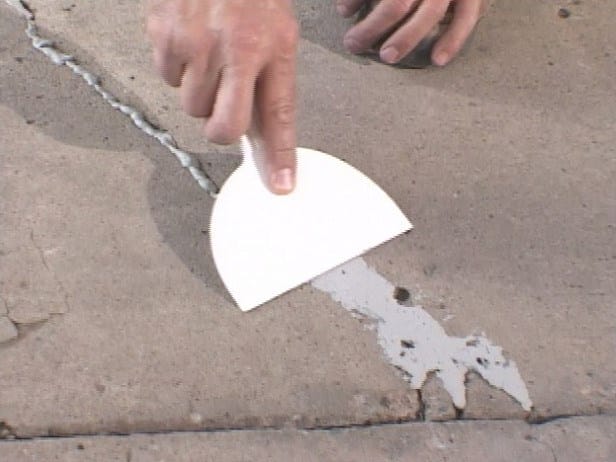
The reasons for high humidity in an apartment or house are often mistakes made during design and / or construction. The result of unfair work is a violation of hydro and thermal insulation. In this case, the owners will have to make every effort: remove all finishing, inspect surfaces, seal joints and defects.
First of all, walls, ceilings and floors are checked. Close cracks, carry out high-quality sealing of seams. The surfaces are treated with a bioprotection primer against mold, covered with acrylic water-repellent paint or plaster, which prevents the appearance of fungus. Some wall materials require additional dehumidification devices.
Correct insulation
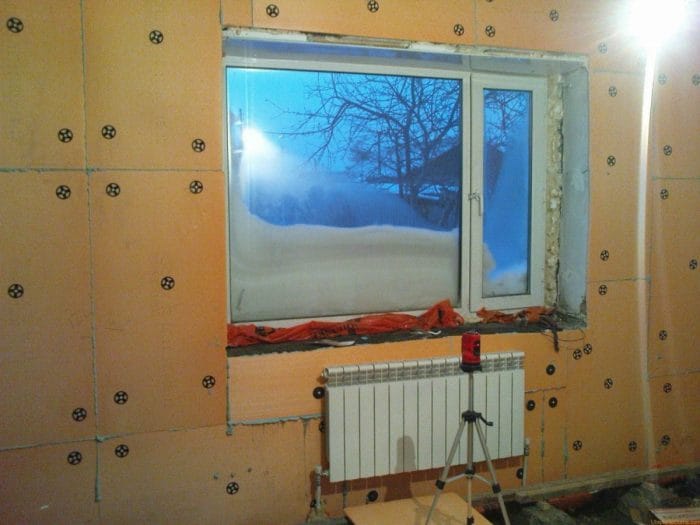
How to get rid of moisture in an apartment if it is planned to be insulated? In this case, there are two ways, both of which guarantee the achievement of the goal.
- Use of an insulating layer of maximum thickness. For polystyrene (foam), the ideal would be 100-150 mm. This value will guarantee that the dew point will be in the thickness of the insulation, outside the walls. This figure is a guarantee for a home in any region.
- The use of vapor-permeable heat-insulating material – mineral wool and its varieties – and the device of a ventilated facade in private houses. Such an operation will also allow you to forget about the moisture accumulating in the room.
Frequent airing
This is the easiest and most cost effective method. However, such an elementary operation, carried out regularly (10 minutes from 3 to 6 times daily), will only help if the weather outside is windy and dry. Otherwise, the owners will not achieve their goal.
This method should become the rule after washing, cooking, taking water procedures, wet cleaning the room. Ventilation is also necessary while drying the laundry. A simple household fan can help fight moisture. He is able to dry the air a little if there is no opportunity to often ventilate the apartment (for some reason).
Installation of forced ventilation
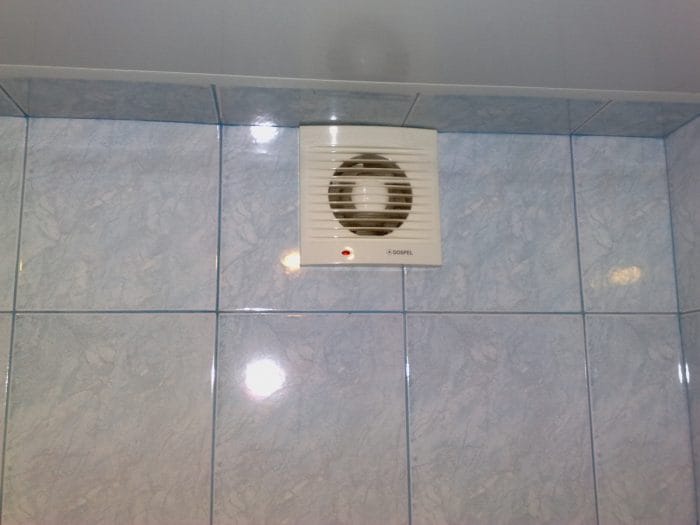
This method will get rid of high humidity once and for all. But the reverse side of the “coin” will be high costs and inconveniences. For normal (permanent) operation of ventilation, electricity will be required, and a system of canals will have to be built. We must prepare for the fact that the owners will constantly be disturbed by the background noise.
A branched system will quickly save the situation if you add a recuperator to it, which removes excess moisture from the room. But the installation of such forced ventilation is unrealistic in apartment buildings. The only thing that can be done there is to mount a fan in the kitchen ventilation duct, buy an efficient hood.
Heating devices, dehumidifiers
In the autumn-winter period, centralized heating performs the main work to remove moisture from the air. But in this case, the residents of apartment buildings have a new enemy – excessive dryness of the air. For this reason, it is not recommended to use additional devices, since it is very easy to dry out the room, and such conditions will also be undesirable for health.
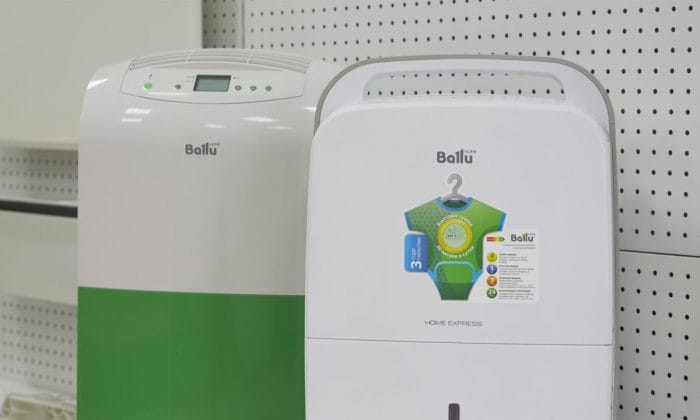
How to get rid of humidity in an apartment when the heating system is not working? Excessive humidity levels can be reduced by special dehumidifiers. They are also produced for home use. Such models are distinguished by quiet operation, lightness and compact size. The device can only be switched on periodically.
The devices are quite effective: they remove water vapor within an hour, but the composition of the air does not change. The moisture collected in the container is drained after operation of the dehumidifier. Additional functions depend on the device (price, manufacturer): sometimes models are equipped with other elements – filters, fragrances, ozonizers.
Auxiliary folk remedies
In fact, there are quite a few potential helpers, since you can get rid of the humidity in the apartment with other products that are adsorbents that absorb moisture from the air. There are other saviors, however, they cannot cope with a very high level of humidity (even with their complex use).
Atomizer for air humidification
An item as simple and cheap as a spray bottle can help solve the problem of excessively dry air. You can just spray a little water into the air – small drops will collect dust and imperceptibly settle on the floor with it. You can also spray curtains and tulle with water. The moisture will gradually evaporate from the fabric, due to which the room will maintain a relatively constant level of humidity. However, before using the proposed method, you must make sure that the curtains do not remain stained by drops and splashes. Otherwise, the products may lose their appearance.
USEFUL INFORMATION: How to get rid of condensation on the toilet cistern
Also, a spray bottle is used to spray plants with water. This procedure will remove dust from the leaves, humidify both them and the air.
Wet towels against dry air
If the laundry does not often dry in the apartment, and water stains form on the curtains, then you can do it differently: use wet towels. To do this, they are moistened under the tap, squeezed so that no water drips, and hung on the heating radiators. Repeat the procedure as it dries. It is better to use terry towels, as they hold more water and will be able to evaporate it into the air for longer.
Improvised air humidifier
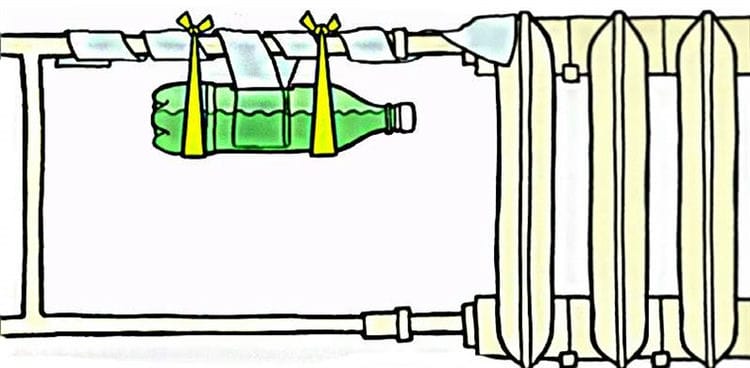
Running with towels can quickly get bored, so you can do the following: make a small installation from scrap materials that will humidify the air. To do this, you will need a plastic bottle, a piece of cloth made from natural materials (cotton, linen) or gauze, a rope, a knife, and water. How to make such a device, step by step:
- A small window hole is cut on the side of the bottle.
- The bottle is tied to a radiator or heating pipe.
- One end of the gauze or piece of cloth is dipped into the bottle, the other is wrapped around the pipe.
- Pour water into a bottle.
That's it, the impromptu humidifier is ready. The water will rise up the fabric and quickly evaporate into the air thanks to the heated radiators.
As you can see, there are many ways to humidify the air in an apartment. This can be done regardless of the season, but in winter, when the heating is on, some methods become especially effective. Air humidification does not require much effort or high cost. At the same time, it will be possible to avoid many health problems: allergies, rhinitis, dry and flaky skin – all these are the consequences of a low level of humidity in the room. As a result, the skin and mucous membranes dry out and cannot fully perform their functions. Lack of water is also detrimental to pets, office equipment, many valuable trinkets, books and various household items. So you need to take care of the microclimate in your home, especially since it costs nothing.
Showering
Open windows when showering. Of course, this cannot be done in wet weather so as not to get sick, but be sure to open them in the summer.
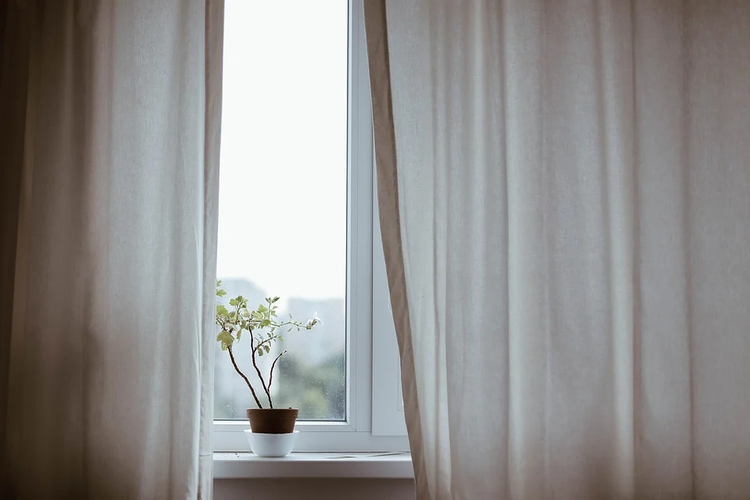
The steam will immediately go out the window, condensation will not have time to form and the humidity will not rise.
It is worth remembering that the longer you shower, the more steam is produced.
If it is not possible to open a window or door, place a fan next to it, or open them after taking a bath.
Cold showers can also be taken in summer. It will be useful not only for home, but also for health.
Drying things
In rooms with poor ventilation, do not hang damp items. If it is good in the bathroom, or there are special dryers, then you can dry clothes there.
In the bedroom, hall and hallway, ventilation is usually not good enough, so the humidity starts to rise.
Carpet replacement
Carpets tend to pick up moisture, especially when indoor humidity levels are high.
If you notice that it smells like mildew or it gets wet, send it to the dry cleaner.
If possible, hang the carpet outside to dry well.
Boil water more often
Thinking about how to increase the humidity in the room without a humidifier? Try using a stovetop and a kettle or pot for this. There are two options: the first is to bring the water to a boil and leave it on a windowsill or table to keep the steam humidified. Another way is to put boiling water on a slow fire so that evaporation lasts longer. In addition, you can add a few drops of essential oil to the water (experts advise using tea tree or eucalyptus oil). The fact is that their aroma calms the nervous system, and vapors can deal with germs and reduce the risk of colds. You can also throw cinnamon sticks, various herbs and spices, lemon slices into the water to make the air in your home incredibly pleasant.
Other methods
You can also fight the problem with folk remedies. Do not rush to immediately use the first method that catches your eye on how to lower it.
Explore all the ways how to remove dampness in the room, choose the most suitable option.
Sugar and salt
Another way to reduce humidity in a room without a dehumidifier is to use rock salt, a hygroscopic material. This product is excellent at absorbing moisture.

How to reduce the humidity in the apartment?
Put a 5 kg bag of salt or sugar in the room, open it. Stir the funds periodically. Can be poured into a separate bowl.
Bricks
This method will also remove excess moisture in the room. Just be careful, you can get serious burns.
How can you reduce the humidity in your apartment? Heat the bricks and place them on a fire-resistant surface in a room requiring lowering. Repeat until its level is normal for you.
Throw out the bricks after 10 incandescences. They lose their absorbency.
Place bricks in places away from flammable objects. The method is best used at low temperatures outside. At the same time, you will warm up the air in the room a little.
Coffee beans
Coffee beans perfectly absorb moisture. Just don't buy a ground product.

How to remove humidity in an apartment?
Pour coffee beans into several cups or glasses, and arrange them in different corners of the room. This method not only fights moisture, it removes the smell of dampness in the apartment.
Wood briquettes
Due to its adsorptive properties, charcoal briquettes can help. They absorb moisture.
Buy a cheap bag of charcoal and put it in your shopping cart. It will last 2-3 months.
Look for coconut shell charcoal if possible. It has a high adsorption capacity.
How plants affect moisture levels
If you have no idea how to humidify the air in a room without a humidifier, then you should use plants. They not only produce oxygen, but also saturate the air with moisture. At the same time, the air masses are ionized and cleaned of all kinds of bacteria.

Growing a variety of crops is an excellent drought management option
The highest moisture content is found in the jungle. Therefore, it is precisely such plants as orchid, fern or phytonium that can be of great benefit. But for such crops, abundant watering is required. You can also purchase plants that are typical for central Russia. These are ficus, home fern, dracaena and hibiscus.

A small winter garden can also be created at home.
There are plants that have antibacterial effects. They help relieve stress and improve sleep quality. Let's look at these plant options:
- Scheffler allows you to maintain favorable humidity. When growing it, consider certain subtleties of care. Moderate watering, abundant light and a temperature of at least 17 degrees are important. The soil should not become dry;

This is what this plant looks like
- monstera perfectly saturates the air with moisture particles. For her, you need to provide sufficient moisture, lighting and high-quality watering. This option is not suitable if you have small children or pets, since the leaves of this culture are poisonous;
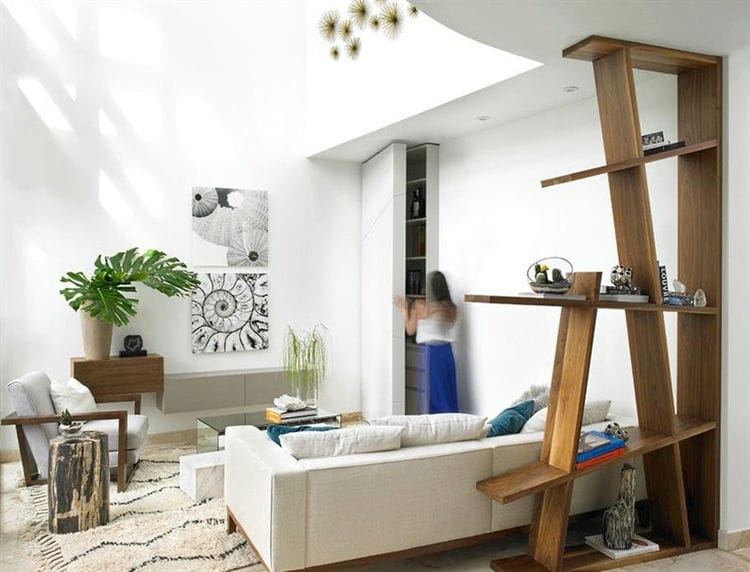
This is how this culture looks in the interior.
- Cyperus is a great interior decoration, in addition, it can release up to three liters of moisture per day. Care is simple: you need normal watering and ventilation;
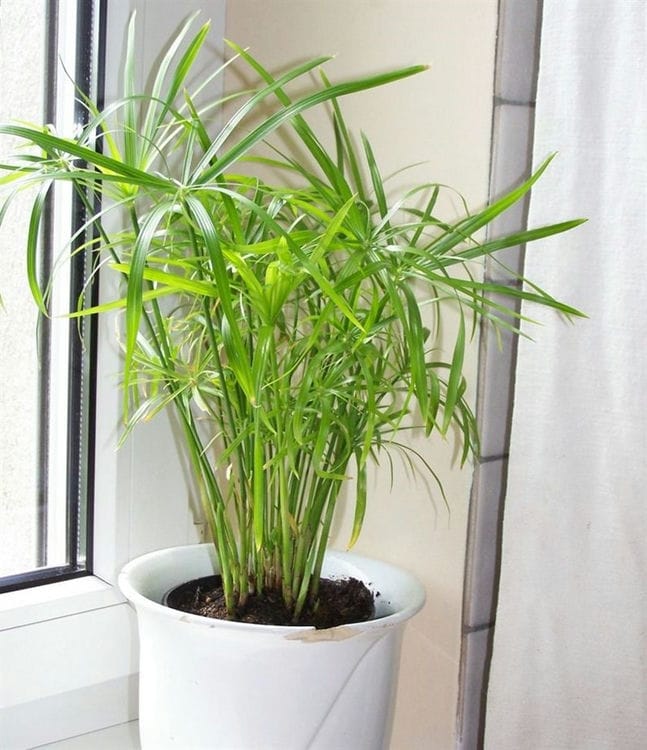
A similar crop is grown in large pots.
- ficus can grow in any apartment. For this culture, it is necessary to provide high-quality watering, warmth and abundant light;
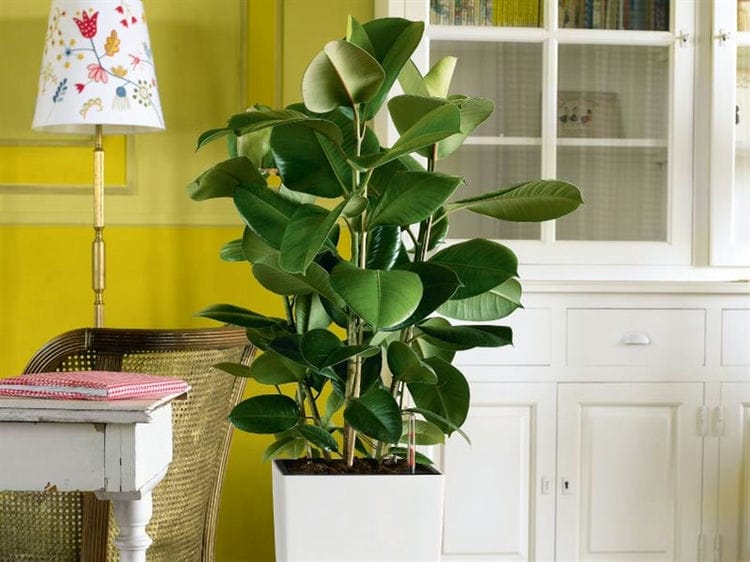
Traditional ficus
- dracaena is an unpretentious plant. It also releases moisture. With regular watering and good lighting, dracaena forms into a beautiful plant.
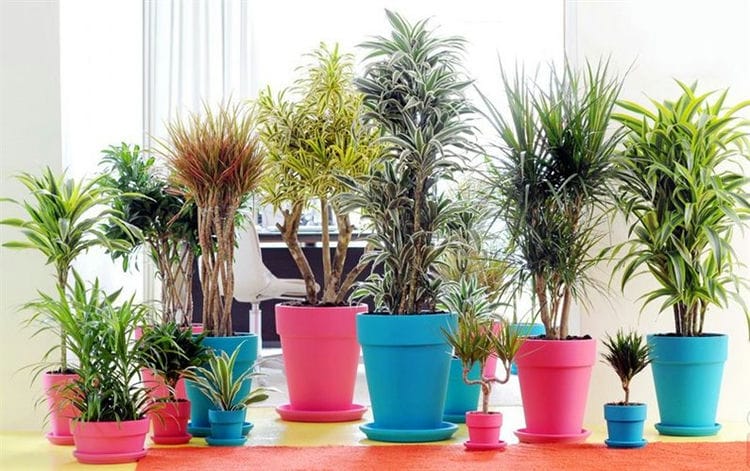
Dracaena in the interior
When choosing any plant, you need to study the features of caring for it in advance.
Effective ventilation
Remember to ventilate frequently. The air in spring, winter and autumn is well saturated with moisture. It is necessary to ventilate the room at least 15-20 minutes a day. During the inflow of fresh air, you can do wet cleaning or even spray water with a spray bottle.
You need to ventilate even in winter frosts
Useful Tips
A few additional recommendations to help protect an apartment or house from dampness:
- Use a hydrometer. In the warm season, the optimum humidity will be from 30 to 60%, the maximum – 65. In late autumn, winter, early spring, humidity should vary within 30-45% and not exceed 60.
- Provide access to the sun's rays.
- Ventilate the apartment; this must be done systematically and efficiently.
- Fill cracks in the walls and floor.
- Provide quality waterproofing.
- Use fans in the kitchen and bathroom, including exhaust fans. Check the draft in the ventilation system periodically. Check the condition of the plumbing fixtures, paying particular attention to the pipe connections.
- Systematically inspect the seal on plastic windows, replace it with a new one in a timely manner.
- When making major repairs, use mineral-based building materials. This will make it possible to effectively regulate the humidity in an apartment or private house.
You can eliminate dampness in an apartment in simple and affordable ways. Treating walls with special compounds will destroy mold and prevent its reoccurrence. Systematic prevention will protect against increased humidity and the formation of fungus.
Mold prevention
- To prevent mold growth, monitor the humidity level in the room with a hydrometer.
- Provide adequate ventilation and adequate sunlight.
- Use fans in the bathroom and in the kitchen, regularly check the draft in the ventilation shafts, monitor the condition of the plumbing units, especially in the places where they are connected.
- Repair cracks in walls and floors.
- When carrying out major renovations, use mineral-based materials to better regulate indoor humidity levels.
- Take care of high-quality waterproofing.
- Regularly inspect plastic seals on PVC windows, check their suitability, and timely replace them.
- At the first appearance of condensation, promptly eliminate the cause of its formation.
Simple and affordable methods will help eliminate excess moisture in rooms, thereby preventing the development of harmful fungus. Using a variety of products and formulations, do not forget about safety measures that can protect your health. Taking preventive measures regularly will minimize the risk of mold reoccurring in your home.
Sources used and useful links on the topic: https://trudogolikam.ru/bytovye-sekrety/kak-umenshit-vlazhnost-vozduxa-v-kvartire-bytovye-sekrety.html https://womenburg.ru/sovety/3128-ubrat -vlazhnost-v-kvartire.html https://dom-i-remont.info/posts/zdorove/kak-izbavitsya-ot-vlazhnosti-v-kvartire-ili-dome-pribory-i-metody/ https: // mr-build.ru/ventilyatciya/kak-uvlazhnit-vozduh-v-komnate-bez-uvlazhnitelya.html https://domovodstvo.pro/uyutnyj-dom/kak-umenshit-vlazhnost-v-kvartire/ https: // vse -otoplenie.ru/kak-uvlaznit-vozduh-v-komnate-bez-uvlaznitela https://homius.ru/kak-uvlazhnit-vozduh-v-komnate-bez-uvlazhnitelya.html https://legkovmeste.ru/poleznye -sovety / kak-izbavitsya-ot-vlazhnosti-v-kvartire.html
Post source: lastici.ru