
How to water anthurium? Basic rules for moisturizing a flower at home. Anthurium transplant at home: timing, soil, care features

Features and characteristics of the plant
The male Anthurium flower, like any man, needs special care. Indoor plants Anthurium are very similar in appearance to each other, they consist of long inflorescences-cobs and bracts. A variety of colors of bedspreads, cobs determines the type of flower.
It should be borne in mind that some types of flower exude aroma. The aromas are also very different – some varieties smell gentle, pleasant, and some have a very pungent, even fetid odor.
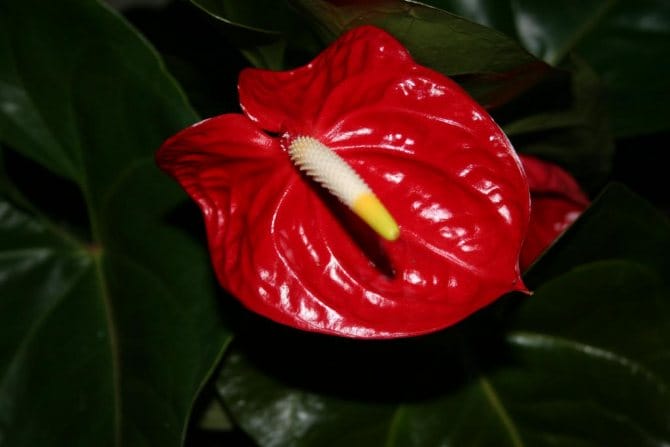
It is because of the shape of the flowers in the people that he began to be called as “Male Happiness”. The inflorescence looks like a blanket on which the ear is perpendicular. But this is not a flower at all – it is a dense, bright, different from green, bract leaf. The brightly colored bedspread serves to attract the attention of insects to the cob with small flowers for their further pollination. It is also believed that in those men who possess this plant, this strength begins to increase.
The sizes depend on what type of Anthurium, they range in indoor varieties from 30 cm to 50 cm, in nature from 1 meter and above.
Types and varieties
Indoor varieties of Anthurium, thanks to the efforts of breeders, have many different shades of both bedspreads and cobs. It all depends on the species – there are red, white, even black inflorescences can also be found.
Homemade Anthurium varieties are divided into three main groups:
- Beautifully flowering can be used both for pot cultivation and for cutting. This includes the most common types of the Flamingo flower (Andre, Scherzer, Turenze, Sierra). It is quite simple to take care of them at home, the main thing is to create the correct indoor microclimate.
- Green-leaved or decorative deciduous are distinguished by the presence of long stems with green leaves.
- Variegated ones have a colored pattern on the leaves and a short climbing trunk. These include Baker's Anthuriums and Climbing.
Each has its own characteristics of growing at home.
Anthurium flower – home care
The necessary conditions for Anthurium are the correct air humidity, thermal and light conditions. If the conditions of detention are focused on approaching natural (tropical), then the flower will bloom from early spring until autumn.
Growing Anthurium requires regular care in an atmosphere comfortable for it.
Post-purchase care begins with the selection of the correct transplant pot. They are planted in a wide, flat plastic pot, not too much larger than the previous container. A large pot will reduce the abundance of flowering. A young flower is transplanted annually, an adult – once every three years.
Important steps in care are:
- watering with clean water that does not have impurities;
- the formation of stagnant water is unacceptable;
- the southern windows on which the flower is located will require the creation of darkening;
- in winter, it may be necessary to install an additional artificial light source;
- with the beginning of flowering, “Man's Happiness” must be hidden in partial shade so that the open sun does not fall on its surface;
- watering, spraying should increase with the beginning of the flowering period.
Watering and fertilizing rules
Male Happiness loves good soil moisture, but excessive watering is very destructive. Soft, settled water warmed to room temperature is the right water for irrigation.
It is forbidden to allow the accumulation of water in the sump, as this leads to decay of the root system. In winter, watering should be reduced, but make sure that the soil does not have time to dry out.
Air humidity is no less important than for root watering. Decrease of humidity below 60% is not allowed. It is also possible and necessary to spray the leaves, but not flowers, with water. When water drops hit the flowers, spots form on the inflorescences, the plant may die.
It is important to moisten the soil when spraying the top layer of moss. This ensures the desired level of moisture in the aerial roots. When using pebbles, expanded clay in pallets, or placed next to Anthurium containers with water, will bring a similar result. It is because of the evaporation that the effect of the rainforest will be created.
The entire period of growth is accompanied by periodic feeding. Mineral and organic fertilizers are introduced with water every half month.
Air temperature
Male Happiness is very fond of warmth – in the summer season, the optimal temperature for growing indoors should be no more than 250C and not less than 200C, in the autumn-winter period about 180C. By raising the air temperature in winter to summer, the flowering process accelerates. The main thing is to start doing this only after the plant has laid the buds, and they can be laid at a temperature ranging from 16 to 180C. Only then will the temperature rise be acceptable.
Any draft is bad for Anthurium. Proximity to radiators and other types of heating devices is not recommended. The soil dries out very quickly, and general dehydration begins. The best place to stay is one that has access to fresh air, but without active circulation.
Lighting
Lighting for Anthurium is preferable to bright, but without direct sunlight. The direct sun causes burns on the leaves, the dissolution of flowers begins on very short petioles. Therefore, it is necessary to create a little shading on the southern windows during the day. Window sills located on the west, east side are most preferable.
It is permissible to find the pot on the south side, provided that at least one of the following conditions is met:
- the place is one meter away from the windowsill;
- the windows have blinds;
- the growing leafy tree outside the window scatters the rays of the sun;
- autumn-winter period.
In winter, you may even need to install additional artificial lighting.
Periodic shading is required, but given that Anthurium loves the sun more than shade, this should be done on hot days, during the sun. The lack of sunlight is reflected in the elongation of cuttings, small, meager flowering, even sometimes in its complete absence. In order for dark apartments not to become an obstacle to the cultivation of Male Happiness, for its proper growth, the installation of additional lighting from lamps (fluorescent, gas-discharge or LED) is required.
It is very difficult to combine a good level of lighting in an apartment, the presence of clean, humid, at the same time warm air. But this is the main attribute so that the plant does not hurt, pleases with its appearance.
Where to put anthurium
Choose a place with diffused light for the plant. For example, on the east or west windowsill. Comfortable for anthurium and in partial shade, not far from the window.
Just protect the flower from direct sunlight. Because of them, burns appear on the leaves.
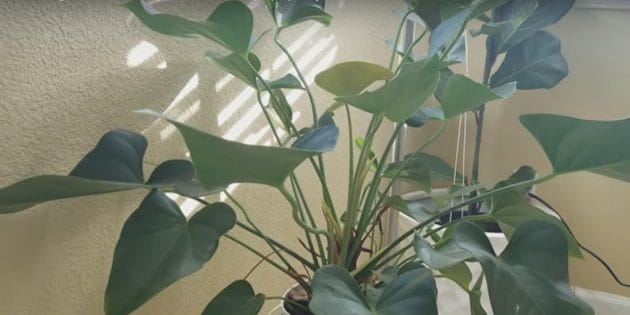
Provide temperatures between 20 and 28 ° C in spring and summer. In autumn and winter, the room should be cooler – about 15–17 ° С. It is in such conditions that the buds are laid.
Protect the anthurium from drafts. The plant tolerates them painfully at any time of the year. And the roots can rot from hypothermia.
How to provide moisture for anthurium
This tropical plant needs a moisture content of about 90–95%. To create it, use, for example, a humidifier.
If you do not have such a device, just put the pot together with a pallet in a container moistened with expanded clay or sphagnum moss.
In the spring and summer, spray the plant with the same water you used to water it. But make sure that moisture does not get on the inflorescences. Otherwise, stains will appear on them.
Flower preferences for moisture
Anthuriums are very demanding on the watering regime. Both the lack of moisture and its excess amount are poorly tolerated. Therefore, after each watering, it is necessary to pour out the remaining water from the sump. Flowers are added as the earthen coma dries.
The number of waterings depends on the ambient temperature. So, in the warm season, this species needs regular watering (every 3-4 days) with warm water.
In winter, watering is reduced to 1 time per week.
How to determine by the plant that watering is needed?
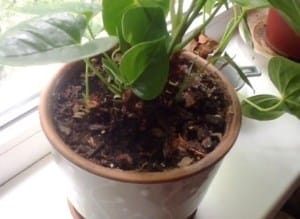
To determine the plant's need for watering, you should pay attention to the state of the earthen coma. Anthuriums prefer moist soil. Therefore, the substrate should dry out a little between waterings. The basis for watering is to dry the soil by about half of the container.
Experienced growers recommend using the weight of the pot. So, if it seems light when raised, then it's time to water the plant. If you feel some heaviness, you should wait with watering. In addition, it is necessary to provide the flower with good drainage, because stagnant water at the roots can cause the development of fungal diseases.
How and what to properly moisturize at home?
Anthuriums are very sensitive to water quality and temperature. So, they do not tolerate lime and too cold water. Therefore, for irrigation, they use warm (30-34 degrees) and soft water (settled or rainwater). If it is too harsh, the plant will react with the appearance of dark brown spots on the leaves. You can add a few citric acid granules to soften your tap water.
Watering is carried out by the bark method using a watering can, which gives many small streams. You can also maintain the required moisture level using a pallet filled with expanded clay, which must be sprayed regularly. By placing a flower pot on a damp surface, you can create comfortable conditions for it to develop and grow. You can also carry out mixed watering, that is, moisten the substrate directly and add water to the pan.
When watering overhead, it is not recommended to pour water on flowers and leaves. Dried water droplets leave messy marks.
Spraying

Since the plant is a native of tropical rainforests, an important measure for caring for it is regular spraying of aerial parts – foliage and aerial roots. In this case, it is necessary to ensure that drops of water do not fall on the flowers, otherwise they will lose their brightness and begin to fade faster. In winter, it is not recommended to spray the aerial parts of the anthurium. It is better to humidify the air around the plant with a fine spray.
To increase the humidity, it is recommended to cover the substrate around the stem with sphagnum moss, which accumulates moisture well. By gradually evaporating it, the moss helps moisturize the aerial roots and the space around the plant. When using sphagnum, it is necessary to regularly check the degree of its moisture and prevent it from drying out by spraying with water from a spray bottle.
Bathing in the shower is beneficial for anthurium. This procedure must necessarily end with the drying of the surface of the leaves.
How much water to use, how often do you need to irrigate?
Although anthurium loves moist soil, its watering must be strictly regulated. Being in a constantly wet state, the root of the plant begins to rot and quickly dies. The frequency of water treatments depends on the ambient temperature and differs depending on the season.
In summer
In the summer months, the flower needs more frequent watering. So, in a dry room, their number can be 2-3 times a week. If the room maintains a high level of humidity, then the number of irrigations is reduced to 1 per week.
After 20-30 minutes after watering, it is necessary to pour out the excess water that has seeped into the pan to avoid root rot.
In spring and autumn
In spring and autumn, the flower is watered as needed. If it is actively growing or is in the flowering phase, more water will be needed. At the same time, the plant is protected from drafts and the sufficiency of lighting is monitored.
In winter
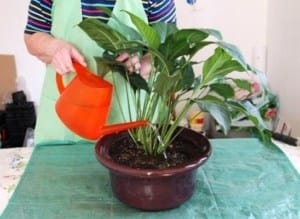
In the winter months, watering the anthurium should be very moderate and should be done no more than 1 time in 7 days. The main condition for successful wintering is the temperature regime of the environment and the absence of drafts.
The air temperature in the room, below +10 degrees, is destructive for a tropical beauty.
How to properly water anthurium at home, step by step photo
Experienced flower growers have developed a system of rules according to which an indoor flamingo flower is watered. The Code of Laws determines the time of watering, its frequency, water requirements and other subtleties that are important for the quality development and flowering of a plant.
On a note! So that the anthurium does not suffer, when the owner leaves for 10-15 days, sticks-spacers are stuck into the pot, moderately moisten the soil, put in a transparent plastic bag and tie it loosely.
The consequences of improper watering during flower care
The consequences of improper hydration are the appearance of signs that signal the onset of the disease. It can be:
- dark spots on the leaves and stem;
- loss of turgor by leaves;
- slowdown in growth;
- cessation of flowering.
To avoid staining in cool conditions, you can wipe the leaves after watering or irrigation. Otherwise, there is a risk of damage to the plant by fungi and parasites.
Most often, anthuriums suffer from diseases such as:
- soil fungus;
- gray mold;
- rust;
- powdery mildew;
- rot.
- With the appearance of specific spots and plaque on the leaves, as well as with dryness of the aerial part of the anthurium, it is recommended to immediately isolate the diseased plant from healthy ones, and then proceed with diagnosis and treatment using special means.
- With insufficient air humidity and poor watering, anthurium is affected by rust, which manifests itself as brown spots appearing on the leaves. For the purpose of prevention, the foliage is wiped with a Bordeaux mixture. The affected plant parts are removed and burned.
- An excess of moisture at a high ambient temperature leads to the appearance of a white bloom on the leaves, which indicates a lesion with powdery mildew. Treatment of this disease occurs with the use of fungicides.
- Abundant moisture and insufficient drainage in pots leads to the growth of soil fungus, which provokes rotting of the roots. In this case, the affected parts of the flower are removed, the plant is transplanted with a complete replacement of the substrate and antifungal treatment is carried out.
- For similar reasons, young and weakened specimens of anthuriums are affected by gray mold, which manifests itself in a plaque of an identical color. Treatment of the disease consists in eliminating the causes that caused it, as well as in the use of fungicidal preparations.
Anthurium is a tropical plant that loves warmth and moisture. It does not tolerate dry air and soil poorly. However, too much watering can destroy the flower. Its humidification is carried out depending on the season and ambient temperature. Regular spraying of air around the anthurium has a beneficial effect on it.
Diseases arising from improper watering
As mentioned above, anthurium does not like overflowing water. From this, the root system begins to rot, and with it all the other parts of the flower. Leaves suffer the most in anthurium, since they make up the bulk of the flower.
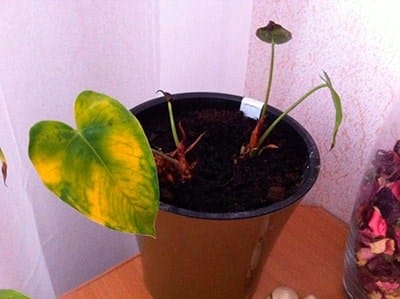 Leaves may darken and become dark spots. This happens to them due to too frequent and abundant watering.
- When can the leaves become covered with white dots? This most often happens if the flower is watered with cold and hard water.
- If you endlessly fill the flower with water, it is almost impossible to avoid fungal diseases. They affect both the soil around the plant and the plant itself. There are several anthurium diseases. Let's briefly consider some of them.
- Powdery mildew – occurs with increased soil and air humidity. Expressed as a white coat on the surface of the plant. It can be treated with antifungal agents.
- Sooty mushrooms – are a consequence of aphid colonization of leaves. They live just on the waste products of the latter. They are dangerous for the flower in that they block any possibility of growth and development for the plant. All parts of the plant are affected. If it was not possible to prevent the process, then it can be stopped by washing the flower with a solution of potassium soap. Complete removal of the affected areas will help to completely get rid of the soot fungus.
- Rust – occurs on the stems and leaves of drought-affected anthurium. Expressed by the appearance of dark brown areas on the leaf. Gradually, completely darkened leaves begin to fall off. Rubbing with a Bordeaux mixture and the complete elimination of infected leaves will come to the rescue.
Why is improper watering dangerous?
Possible mistakes in caring for a flower, leading to a deterioration in appearance, and after the death of a plant:
- Lack of measure in watering a flower;
- The location of the anthurium in a draft;
- Direct scorching rays of the sun;
- Watering the flower with hard cold water;
- Dry air and soil;
- Overfeeding or underfeeding with fertilizers.
What insects can infect anthurium?
There are several such insects: spider mites, aphids, thrips, root nematodes, scale insects. They suck out all moisture from the plant and prevent the full growth and development of the flower.
How to propagate anthurium?
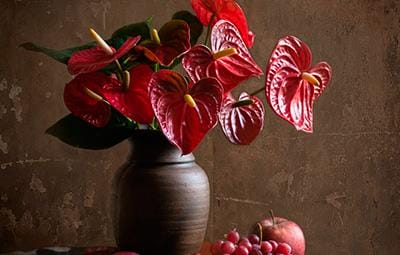 It can be propagated by seeds, but this is a rather laborious and long process. During flowering, the ear of anthurium must be fanned with a brush to pollinate it.
Cross-pollination of two or more plants located close to each other is also acceptable. Within 9-10 months, berries will appear and ripen on the cob. The seeds are in them.
You can propagate during transplantation, carefully separating the lateral and smaller bushes from the main flower. Later, these bushes can be planted in a separate container.
As mentioned above, there are aerial roots on the trunk of the anthurium. Separation of a trunk fragment with such roots and at least one leaf will make it possible to get a new plant.
How and what to feed anthurium?
Usually, anthurium needs to be fed once every 3-4 weeks. In summer, during intense growth and flowering, this frequency is ideal. In winter, during the period of rest and rest, it is better not to feed anthurium.
An exception is flowering in winter. In this case, feeding is necessary. Anthurium is fed with fertilizers for flowering plants, or mullein infusion. Infusion of chicken droppings also works well for him.
When to transplant anthurium
If you purchased anthurium from a store, you should definitely transplant it into a more comfortable container than the one in which it was sold, at the same time making sure that the condition of the plant's roots is satisfactory. This must be done within three days after purchase.
If you decide to transplant your own anthurium, then it is better to do this in the spring-summer period. The reasons for the transplant can be as follows:
- the pot has become small: the roots have braided an earthen ball so that the soil is almost invisible, and the pot is about to crack or a root hangs from the drain hole of the pot;
- the composition of the soil in the pot has changed for the worse, as evidenced by a white or rusty coating on the surface of the soil. The depleted substrate must be replaced, and the plant must be transplanted.
On average, a young plant that is not four years old needs to change the substrate with subsequent transplantation every year, older plants are transplanted once every two to three years.
Land for transplanting anthurium
The pot for transplanting anthurium should be plastic or glass, but if you are a fan of natural clay flowerpots, then choose glazed not only from the outside, but also from the inside, since the roots of the plant grow into unglazed clay over time, and it will be difficult for you to remove anthurium from the pot at the next transfer.
The shape of the pot should be wide and not very deep to reduce the risk of stagnant water in the roots.

Since anthurium is an epiphyte, that is, a plant that lives on trees, it is suitable for store-bought soil for orchids, which includes expanded clay, charcoal, sphagnum moss and bark. Some growers believe that the land for transplanting anthurium should consist of a mixture of light turf land, marsh moss and forest land. But the best soil composition for an epiphyte is as follows: one part of peat, coniferous and leafy land and half a part of sand with the addition of coniferous bark and charcoal.
Anthurium transplant after purchase
You bought an anthurium, found a pot for it, poured a drainage layer into it for one quarter of the vessel's volume and prepared the soil. Now, to remove the anthurium from the old pot, you need to water the anthurium.
Pull the plant out carefully as the roots are fragile and easy to break.
After removing the anthurium from the store pot, inspect the roots of the plant, remove damaged or rotten roots along with adhering soil, sprinkle the rhizome with phytolavine and transfer the plant to a new pot. Then gradually add the earthen mixture around it, tapping on the pot so that the fresh soil settles more densely, and after the pot is full, lightly crush the soil, which, in the end result, should not reach the edge of the pot by 2-3 cm.
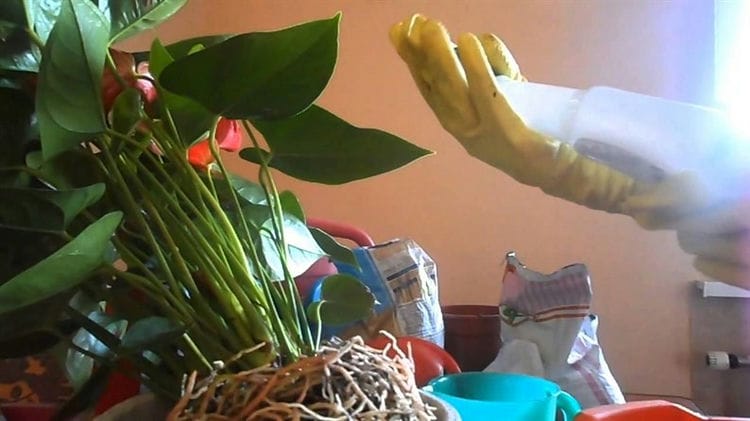
If you are replanting the plant due to the depletion of the substrate, then try to remove the old soil from the roots, if possible, by knocking something on the earthen coma or briefly soaking it in water so that the substrate is soaked and gone.
Transplanting anthurium during flowering
Many doubt whether it is possible to transplant anthurium when it blooms, because it is known that at this time plants perceive any change in position as stress and often shed flowers and buds. So, this plant is not as shy as other flowering plants, and the transplantation of anthurium will not affect either the beauty of its flowers or their number.
Transplanting a flowering anthurium is carried out in the same order and with the same priorities as the transplanting of a non-flowering anthurium, that is, in the process, you must first of all be careful with the fragile roots of the plant, the flowers tolerate the transplant very calmly.
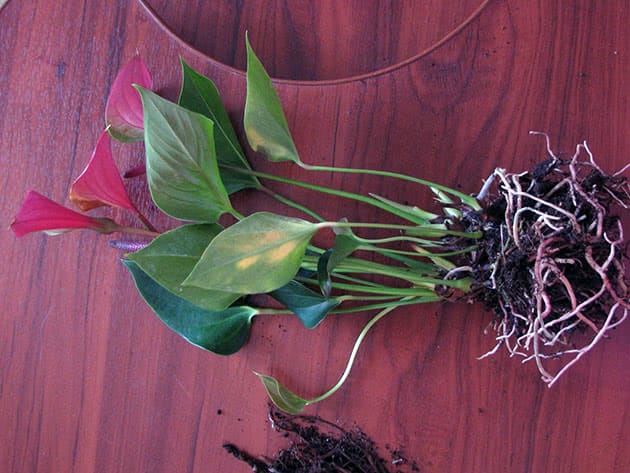
What capacity does a flower need?
Anthurium feels best in a humid tropical forest, therefore, for its prosperity, it is necessary to create similar living conditions for it. It is necessary to take care of the temperature regime, composition and sufficient moisture content of the soil and, perhaps most importantly, the size and shape of its “house”. Surprisingly, the material and size of the pot is just as, if not more, important than the properties of the environment and the composition of the soil.
The red tongue loves loose soil rich in oxygen. Like many tropical plants, it grows on a rather large substrate. Its roots grow mostly parallel to the surface, not inward. Therefore, a shallow, wide container is better suited to it. It will help the roots of the plant to develop naturally.
Important! Due to the fact that the roots of the plant need air flow, it is necessary to ensure that excess water flows out when watering through the drainage holes in the bottom of the pot. Waterlogging of the soil is detrimental to the plant.
What kind of pot can provide the most suitable conditions for the growth and prosperity of anthurium?
How to choose the size?
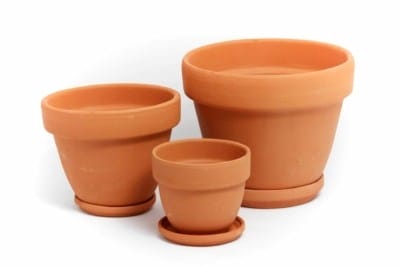 The size of the pot depends on the goal you want to achieve.
- If you want your plant to bloom profusely, plant it “back to back”: so that from roots to walls it is only 1-2 centimeters.
- If you want the anthurium to grow and throw out the “kids”, then the pot should be made wider than the root system by 4-5 centimeters. In this case, the green mass will grow, and the flowers will become somewhat less.
As the anthurium grows, the size of the pot should be increased. For the first 2-3 years, the plant must be replanted every year, expanding the pot by 1-2 centimeters. Later, the interval between transplants can be extended to 2-3 years. The size of the pot when transplanting an adult plant increases by 3-4 centimeters.
An indication that the time for replanting is approaching is the “creeping” of roots through the drainage holes and overgrowth of aerial roots on the soil surface.
What's the best material?
Ceramic pots, which are often used in home gardening, are not very suitable for growing anthurium. Their walls allow evaporating moisture to pass through and cool, which disrupts the temperature regime of the underground part of the plant.
In addition, the roots tend to grow into the pores of the ceramics. Because of this, they will inevitably be damaged during the next transplant. Sometimes ceramic containers are used, glazed from the inside. They do not allow roots to grow into the walls, but they do not solve the problem with the temperature regime.
Plastic containers are more suitable for the “red tongue”, but they also require additional attention. Dense walls exclude water evaporation and excessive cooling of the roots. However, in a plastic pot, irrigation water can stagnate, and excess moisture for anthurium is even worse than short-term drying.
Attention! Perhaps the most suitable for anthurium is a double plastic pot with a drainage system.
The bottom of the outer pot is filled with drainage from expanded clay or brick chips. The bottom of the inner pot is separated from the water by an air gap, which does not impede the passage of water and air, but prevents sudden temperature fluctuations.
The form
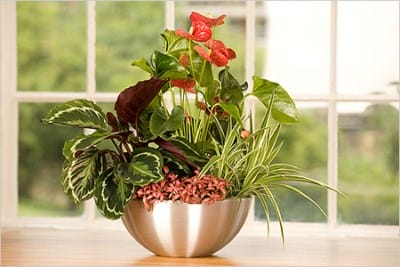 The shape of the pot does not affect the growth and development of the anthurium. It is worth paying attention only to the fact that the vessel is not too deep (this can lead to caking of the soil) or, conversely, too flat so that the water does not stagnate. The optimal height of the pot is 3-5 centimeters less than the diameter.
It is worth noting that anthurium feels great inside glass showcases, in which you can create the most favorable conditions for it in terms of temperature, humidity and illumination. Although this does not apply to the shape of the pot, it is worth keeping this in mind when planning your home garden.
Holes in the bottom
For the successful cultivation of anthurium, there should be enough drainage holes in the bottom of the container through which excess water is drained during watering. The air necessary for the roots enters through the same holes.
In nature, anthurium grows on the forest floor, from which it receives food, water and air. Therefore, the substrate for its cultivation must be loose and not hygroscopic (do not accumulate water). For the “red tongue”, not a wet, but a moist substrate is optimal. Excess water must necessarily drain into the pan, otherwise the roots may rot, and the plant may die.
Be sure to check if there are drain holes in the selected container.
Division of anthurium during transplantation
Transplanting anthurium can be combined with its reproduction in a vegetative way – dividing the bush. The first time to divide an anthurium bush can only be in the fourth year of its growth, and the best moment for this is when the plant sheds all its leaves (in January or February). Dividing the anthurium during transplanting does not require any special skills from you: remove the bush from the pot, carefully divide it so that leaves and buds are evenly located on each part.
If it is impossible to separate the tangled, accreted roots with your hands, cut them with a sterile sharp instrument and plant the bushes as quickly as possible in small pots with a good drainage layer in the manner described by us. Water them.
When to rejuvenate anthurium
Simple rejuvenation of anthurium is usually carried out together with its transplant. There are several ways – by cutting – to separate the old branches from the overgrown main bush. In this case, they should be separated together with the roots and cutting off the upper part.
There is one more “cutting” method, which is more popular with experienced growers. The top is cut off along with the roots (or several tops), and the trunk remains in place. After this simple procedure, you need to reduce the regularity of watering due to the fact that all the leaves have been harvested, and the flower does not yet have the ability to give moisture to the outside. Soon, young leaves will appear on the stem, which are then separated for the purpose of a new reproduction of the plant.
It is recommended to use such options during transplantation for flower growers who have not yet gained enough experience. In any case, it will be possible to save a beautiful flower for a while. Over time, you can move on to more “radical” methods of rejuvenation, which will require much more time and practical skills.
When is it recommended to transplant a flower
Anthurium transplantation, the care of which we will consider later, is best done in early spring, before the onset of heat. Then the plant tolerates stress from the procedure more easily. Of course, if necessary, you can transplant the flower at other times of the year. But it is advisable not to hold this event at temperatures above +30 degrees. In such a heat, the roots of the flower cease to absorb moisture normally, which worsens the survival rate of the culture.
Can Anthurium be transplanted during flowering? It is advisable to postpone this event until the onset of a dormant period. But if the flower is sick, and it needs an emergency transplant, then immediately proceed with it. But before changing the soil and pot, still cut off all the flower stalks. So the plant will spend energy on acclimatization, and not on supporting the buds.
Is it allowed to transplant a flowering plant?
If you start asking flower growers how to transplant anthurium correctly, before most of them will tell you that it is best to do this after the flowering period is over. However, this crop does not respond as strongly to transplanting during flowering as other ornamental plants. Therefore, as a last resort, the procedure can be carried out. However, before that, it is recommended to cut off all wilted leaves and cut off the peduncles so that the flower quickly takes root in a new place. If you do not want to lose the decorative qualities of the anthurium, then the earthen lump should be handled with great care so as not to damage the root system.
Pot
What do you need to transplant anthurium? The first step is to prepare a suitable pot. Prefer containers with a depth greater than width. As for the material, it is better to choose plastic or glass vases for a flower. As a last resort, a clay pot is also suitable, but only with a glazed inner surface. Otherwise, the roots of anthurium will grow into the walls of the flowerpot, and you can easily injure them during the procedure.
To choose the right pot size, follow these guidelines:
- For a planned transplant, choose a flowerpot whose diameter is 2-3 cm larger than that of the previous one.
- If you want to get new shoots of a flower in order to use them for reproduction in the future, transplant the anthurium into a wider container. This will give an impetus to the development of young growth. But keep in mind that in this case the plant will bloom only after its roots are completely entwined with an earthen ball. And it will take a lot of time.
- If you want to achieve beautiful flowering, then give preference to flowerpots with a diameter larger than the previous one by no more than 2 cm.
- If during the transplant you also carry out the reproduction of the flower, then for the children choose small pots with a volume of 200 g. The mother plant can be transplanted into an old flowerpot, or into an even smaller one if its root system has noticeably decreased.
Having decided on the container, do not forget to disinfect it before transplanting. To do this, thoroughly wash the pot with laundry soap, and then pour boiling water over it. It is especially important to carry out this procedure for pots in which plants were previously grown.
Why might such a need arise?
Sometimes the plant is in dire need of a transplant precisely during active flowering. There may be several reasons for this:
- the old flowerpot has become cramped for a flower, and the roots have braided the whole earthy lump;
![How to water anthurium? Basic rules for moisturizing a flower at home. Anthurium transplant at home: timing, soil, care features]()
the soil was selected incorrectly, which affected the development of anthurium;- rot appeared on the roots of the plant;
- the root system is sick.
Over time, the soil in which the anthurium is planted is depleted. A sign of this is the appearance of brown or whitish spots on the topsoil. If the plant is not urgently transplanted into new soil, it may die.
Healthy adult plants also need to be transferred to a larger flowerpot every two to three years, even if they do not show any signs of disease.
Priming
Flower “man's happiness” prefers loose, fertile soil with a slightly acidic reaction. And for this plant, a mixture designed for orchids is suitable. If you want to create land for transplanting anthurium yourself, then mix the following components in equal parts:
- sheet soil;
- peat;
- coniferous soil;
- coarse sand.
Move all components carefully and remove large parts. After that, disinfect the substrate by placing it in the freezer for a day. A little charcoal and pine chips can be added to the finished soil.
Step-by-step instruction
So we got to the question of how to carry out an anthurium transplant at home. If you have been breeding indoor plants relatively recently, then our instructions will help you cope with this task.
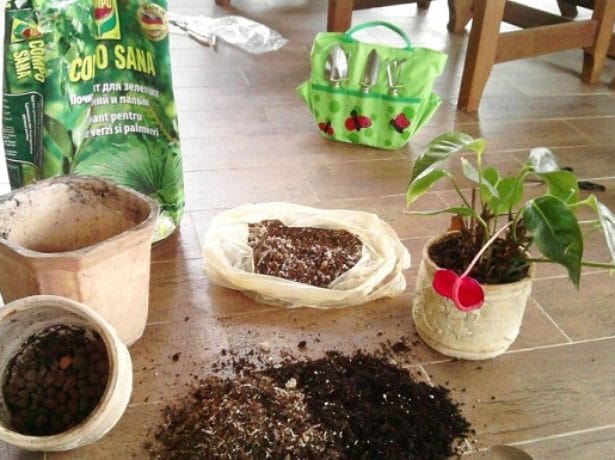
- We prepare everything necessary for plant transplantation: a flowerpot, soil, drainage, a disinfected knife, settled water and a root growth stimulator. The height of the container must correspond to its diameter.
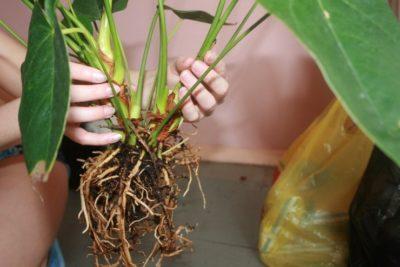
- We shed the plant well, after which we hold the anthurium by the stems at the surface and take out the plant along with the earthen lump.
- We carefully examine the roots and remove all damaged and rotten parts, after which we treat them with crushed coal and fungicides.
- We put a drainage layer on the bottom, consisting of bark, pebbles or expanded clay, after which we pour a little soil on top. We install the plant in a flowerpot and add the required amount of soil so that all the roots are covered with earth.
After that, it remains only to choose a warm place without drafts and bright sunny color, so that the plant is in complete rest for several days.
Possible mistakes
Sometimes, when a plant is transplanted incorrectly, problems arise that need to be solved in the near future, because they can lead to death.
| Transplant error | Solution of the problem |
| When transplanting, they took too large a pot | With such an error, the flower will not bloom for a long time. It is necessary to pick up a smaller pot and replant it. |
| With the wrong soil, the flower will not throw out the flower arrows. | Transplant the flower into an appropriate soil. The soil should be light and fertile, consisting not only of peat alone. |
| Leaves turn black after watering. | Watering is done with warm and settled water, allowing the earth to dry out between waterings. If mold has formed in the pot from excessive watering, it must be transplanted and at the same time the decaying parts of the root system must be removed. |
Important! If there are doubts about the correctness of the transplant, it is necessary to study the material again so as not to bring the flower to death.
Is it possible to cut off aerial roots during transplantation?
They must be directed towards the ground and covered with sphagnum moss. In no case should they be cut off, the plant may die.
What kind of soil is suitable for Anthurium?
Specialized soil for this plant is sold in garden centers and flower shops, if it is not on sale, then soil for aroid, azalea or orchid is suitable.
Anthurium transplant options
In order for anthurium transplantation at home to be guaranteed to be successful, you need to decide on its methodology.
Depending on what kind of reason led to the identification of the plant in a new flowerpot, you can resort to the main two methods: the method of transshipment or planting a flower with preliminary cleaning of its roots from old soil.
Transfer by transshipment method
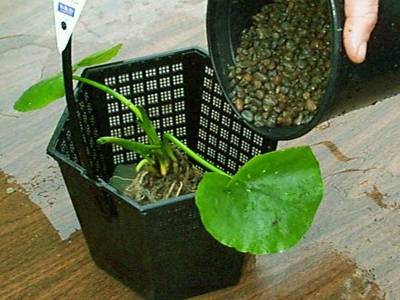 This event is performed when the old flowerpot becomes cramped for an adult plant that visually looks healthy and strong. The need for such a procedure is signaled by the appearance of thick roots from the drainage holes above the soil surface. In this case, it is advisable to plan the time of transplantation of anthurium in March-April.
To avoid damage to the root system, you should water the soil abundantly in an old pot. Such a procedure will soften the soil, ensure the ease of removing the clod of earth from the container. Next, the florist will need to carefully separate the soil from the walls of the flowerpot using a knife blade. Then the plant can be carefully removed from the old container and identified in a new one (in the center of the container).
The resulting voids between the earthen lump, braided by roots, and the walls of the flowerpot must be filled with fresh substrate. The soil is also backfilled from above. Further, the soil is slightly compacted.
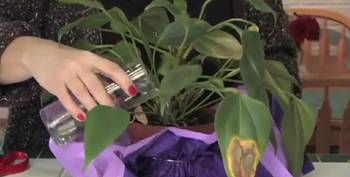 Then the anthurium is irrigated after transplanting, followed by covering the soil surface with a layer of sphagnum. This will help retain moisture. After a while, the plant will acclimate to new conditions and new leaves and inflorescences will begin to appear in it. During this period, the flower is well watered and sprayed.
It should be noted that the method described above is considered the most gentle. However, its constant use is not encouraged, due to the fact that it does not provide a renewal of the soil mixture. Over time, the quality of such a substrate will significantly decrease due to a significant decrease in its composition of nutrients. As a result, you will have to resort to a complete replacement of the soil.
Transplant with replacement of the substrate
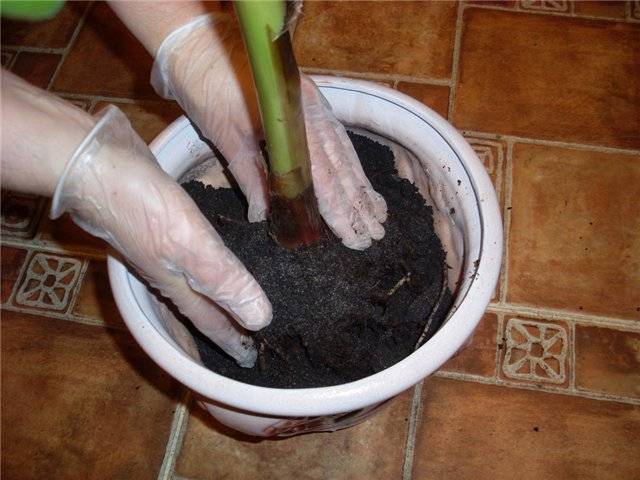 This procedure is performed during the spring-summer period. A young anthurium is transplanted annually, and an adult plant is determined in a new flowerpot with a soil replacement no more than once every 3-4 years. Such an event will be justified if the soil in the flowerpot does not fit the flower. Also, this procedure is necessary when detecting diseases, rotting of the rhizome.
Initially, the plant is well watered. Then it is removed from the old container. Its roots are cleaned of old potting mix with the utmost care and are carefully examined. A healthy rhizome is sprayed with Fitolavin for prophylactic purposes. Revealed dead, decayed pieces of roots are removed. The sections are carefully powdered with charcoal.
In order not to face a problem: anthurium withers after transplantation, if pests are found, they must be carefully removed from the roots. Then the cleaned root system is immersed in a weak solution of manganese for 2 – 3 minutes. If traces of rot are detected, the treatment of the plant with a fungicide dissolved in water is practiced. If the division of anthurium is carried out during transplantation, you will have to spend time untangling the roots.
The prepared plant can be placed in a new flowerpot. If the volume of the root mass has significantly decreased, it is worth allocating a smaller pot for the flower. In order for Andre's anthurium transplant to give good results, you should try to fill the space between the roots with soil as evenly as possible, using a stick. Too strong pressing of the root system to the bottom of the flowerpot is not encouraged.
It is not recommended to sprinkle the high aerial roots of anthurium with soil during transplantation. They are simply covered with moistened moss. This will prevent them from drying out.
Transfer after purchase
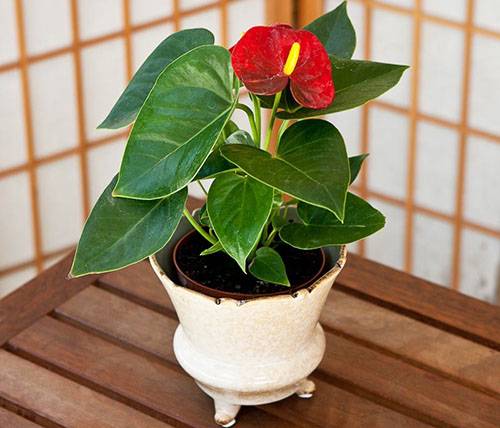 A newly acquired or donated flower, for example, Red Giant, should be transplanted without delay. Plants sold in stores are grown in containers filled with a minimum amount of peat or coconut substrate. Their supply of nutrients is limited (it is enough for 1 – 2 months). If anthurium is not transplanted during flowering within a week after purchase, the weakened plant will soon simply die without providing fresh soil. This is absolutely impossible to allow.
In order for the transplant of a purchased blooming anthurium to be successful, he will first need to remove all peduncles. This will facilitate the subsequent acclimatization of the plant.
Next, the flower is removed from the shipping container and placed in a new pot filled with nutritious full-fledged soil. Often, under a layer of substrate in a store container, there may be a floral sponge braided with roots. It should be carefully removed as it will subsequently hinder the development of the root system.
If the transplantation of Anthurium Mix after the purchase is carried out correctly, after a while you can count on good growth, beautiful flowering of the plant.
Reproduction transplant
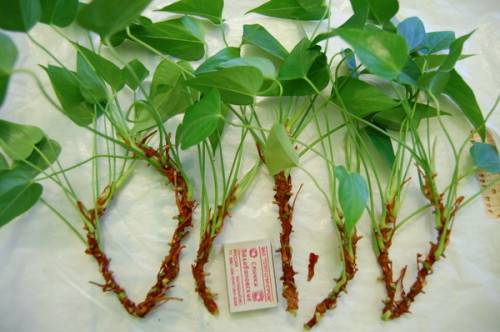 It is advisable to perform such procedures in early spring. An inexperienced florist deciding how to split the anthurium when transplanting should take note that there are a number of different ways they can use it. The most popular are dividing the bush or using side shoots. This will not only contribute to obtaining high-quality planting material, but will also have a beneficial effect on the rejuvenation of the mother plant.
When dividing a bush at a flower extracted from a flowerpot, the roots are freed from the substrate. Then, using a sharp knife, the required number of copies is separated, which have roots, leaves. The resulting fragments are planted in separate containers, their roots are carefully sent by the earth.
The method of reproduction by lateral shoots involves the use of children that form in an adult flower. Such specimens are separated with the utmost care. It is forbidden to pull them out of the soil. It is very important to separate the processes with healthy roots with at least 1 – 2 leaves.
Timing of the correct transplant
The most favorable period for transplanting indoor anthuriums is considered to be the period from the beginning of spring to the last summer decade. In the first five years, it is advisable to replant the plant annually. In the future, anthurium transplantation is carried out every two to three years.
Quite often, the transplant accompanies the reproduction of an overgrown indoor flower. The main condition for making it easier for the plant to adapt to the new flower pot and potting mix is to maintain a sufficiently high level of humidity, protect it from cold and drafts, and, if necessary, shade from direct sunlight.
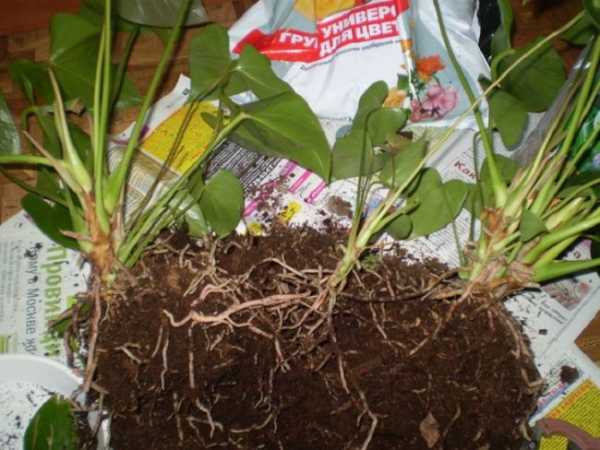 The most favorable period for transplanting indoor anthuriums is considered to be the period from the beginning of spring to the last summer decade.
Anthurium care after transplant
Post-transplant care is no different from caring for an adult anthurium: keep the pots of anthuriums warm, out of direct sunlight. Spray the plants regularly, but cut back on watering to prevent weak roots from rotting. If you see the need, tie the plant to a support. Anthurium at home after transplantation, it is advisable not to disturb with dressings for a couple of weeks.
Features of growing crops
Despite the high indicator of decorativeness, it is quite easy to care for the anthurium at home. Anthurium transplant is also a rather important part of care, but we will talk about it a little later.
Like most tropical plants, “male happiness” prefers to be in humid air, but does not tolerate cold drafts and direct sunlight. In view of these features, it would be best to place a flowerpot with a flower on the windowsill of a window that faces the east or west part of the building. You should also take care of additional shading in the summer.
Watering should be moderate, but frequent enough. In summer, the crop is watered 3 to 4 times a week, and in winter one will be enough. It is recommended to regularly pour out the water accumulated in the pan so that the earthen lump does not become waterlogged, otherwise it can provoke the development of various fungal diseases.
The soil is fertilized one to two times a month. However, the feeding procedure is carried out only for flowering plants. For this, it is recommended to use complex mineral and organic fertilizers, which will not be difficult to purchase in any specialized store.
What else does proper home care include? Anthurium transplantation should be carried out at regular intervals, otherwise the plant will begin to ache due to lack of space for the development of the root system.
Anthracnose
This is the most devastating disease. It manifests itself as the beginning of decay or in the form of dark spots on the plant. It occurs due to unregulated soil moisture. The damaged areas must be removed. The plant should be treated with a 1% solution of Bordeaux liquid.
Root rot
Root rot caused by pityium spores often causes serious damage to the plant. The flower withers, turns yellow, is easily pulled out of the soil. This disease can be controlled by applying a pesticide to the soil – quintozene.
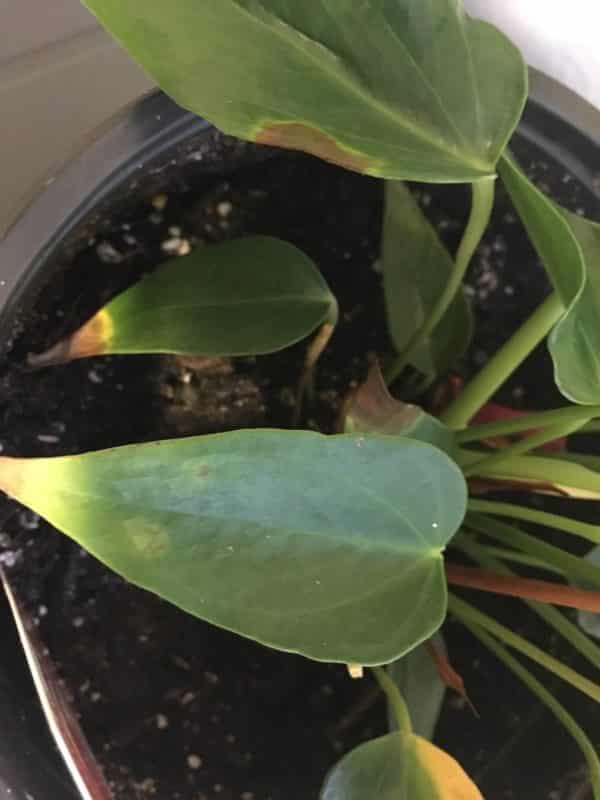
Anthurium disease – the appearance of yellow spots on the edges of the leaves.
Spotting
Leaf spots are caused by the septoria fungus. It appears in the form of white, often merging dots. It is controlled by spraying 50 grams of the active ingredient of the pesticide zineba in 15 liters of water. It is repeated at intervals of 2-3 weeks.
Powdery mildew
Disease caused by the fungus Erysiphe COMMUNIS. A white coating appears on the leaves, similar to flour. The disease can be treated with a 0.1% organic pesticide solution.
Aphid
Insects suck out the sap, which leads to yellowing and deformation of the leaves, as well as the cessation of growth. Systemic insecticides containing dimethoate and malathion (0.2%) effectively kill aphid colonies.
Shield
The scabbard grows on stems and leaves, sucks out sap and weakens the plant. You can get rid of it by wiping the stems and leaves with a cotton swab dipped in insecticide or by spraying 0.2% malathion.
Spider mite
Small mites cause yellowish mottling of the leaves, which later turn brown and dry out. It is necessary to spray the affected plant with a 0.2% malathion solution (8 ml in 10 liters of water).
Thrips
Thrips suck vital sap from the leaves, causing a blotchy effect on the stems and inflorescences. You can fight using the same methods as in case of damage to anthurium by aphids and a scabbard.
Signs of a lack of nutrition
The lack of a particular trace element can be determined by the appearance of the plant. With a lack of nitrogen, the leaves become small and yellowish in color. Some of them shrink and fall off. Buds develop poorly, and roots and shoots stop growing. Anthurium begins to bloom periodically, and the flowers become small and dull in appearance. The structure of the stems also changes. They harden and thin.
With a lack of phosphorus, growth and development slows down. Leaves curl, reddish-purple or brownish-purple spots appear on their surface. With an acute deficiency of phosphorus, anthurium may stop blooming.
Potassium deficiency is manifested by the formation of brown spots on the leaves. At the same time, their central part and the area on the sides of the veins remain green. A sharp deficiency of potassium is manifested by the death of some leaves, followed by their fall. Anthurium immunity also suffers. The plant is poorly resistant to fungal diseases and is often affected by pests.
Calcium is needed for root growth. Its insufficient intake leads to a slowdown in plant growth. In addition, parts of the leaves near the base are discolored. They curl over time. Brown spots may appear on young leaves.
Lack of magnesium is manifested by blanching of the leaves and curling of their edges. The roots do not develop well and the plant looks weak and emaciated.
With a lack of iron and copper, the leaves turn pale, become almost white. First of all, young leaves suffer.
Zinc deficiency leads to a decrease in leaf size and the appearance of light spots between the veins. The root system of the anthurium also suffers. Roots develop poorly, and new roots are not formed at all.
With a lack of manganese, photosynthesis is disrupted, as a result of which yellowish and whitish spots appear on the leaves. The plant stops growing and blooming.
How to feed anthurium
When growing this crop at home, it is necessary to provide the plant with full care. After transplanting, the first 2-3 months, additional fertilization is not required if a nutrient substrate was used. After that, it is recommended to feed it with weakly concentrated solutions for the entire period of active growing season.
Fertilizers for flowers are produced in several forms:
- liquid;
- pills;
- granules;
- powder;
- compressed cylinders.
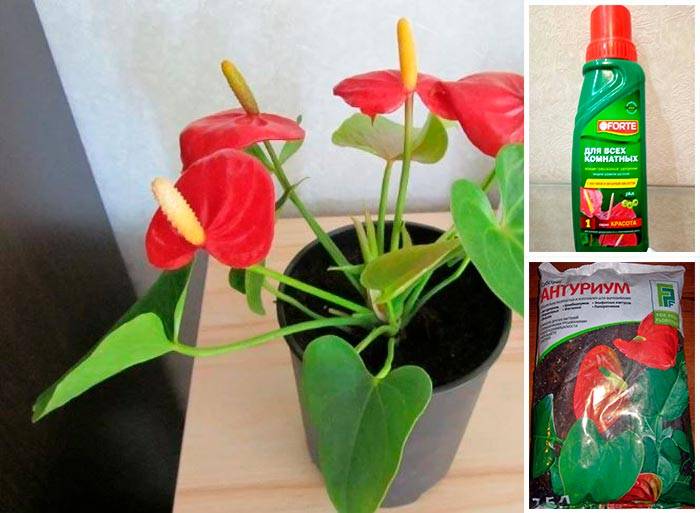
Granular preparations are designed for almost the entire season. In the spring, they are scattered over the soil surface and mixed with the top layer, shallowly embedded. Dry fertilizers can provide anthurium with nutrients for several months, which must be taken into account when choosing this method of feeding.
Other products are recommended for use in the form of solutions. Their action is short-lived, often lasting no more than 2 weeks. For this reason, the procedure with such drugs is carried out regularly. It is important to take into account the dosage recommended on the package; for anthurium, it is advisable to reduce it up to 2 times.
There are remedies for folk recipes. Simplicity, efficiency and affordability are the main advantages of such anthurium dressings at home. The main disadvantage is that it is impossible to measure the exact concentration of nutrients supplied to the plant.
Choosing a fertilizer
The use of ready-made complexes for flowering indoor plants greatly simplifies feeding. Universal mixtures contain a sufficient amount of macro- and microelements, vitamins. Modern preparations additionally include humates. It is enough to dissolve such a remedy in boiled water and pour the flower with the resulting solution.
Fertilizers for anthurium:
- Fitosporin-M;
- Forte;
- Uniflor button;
- Effecton for indoor plants;
- Yantarin, VRK;
- Kemira Lux.
Of the usual organic additives, mullein, bird droppings, rotted humus and wood ash are used. Substances have a high concentration of active nutrients and therefore require proper dilution.
To prepare a mullein solution, you should take 1 tbsp. l. or 1 tsp. bird droppings per 1 liter of water. Humus is added to the soil substrate when anthurium is transplanted. Moreover, it is permissible to use it no more than 1 time in 2 years. Wood ash is allowed to be introduced at planting or to prepare an infusion from it.
Folk recipes
The advantage of such tools is the efficiency and availability of raw materials, since they are found in many homes. Onion peels, tea leaves, coffee grounds, yeast tincture, citrus peel or banana peel are used as a source of nutrients. It is recommended to change top dressing with folk remedies with each other.
- For a decoction of onion peels, 50 g of dry matter are required, pour 2 tbsp. hot water. The mixture needs to be boiled for 10-15 minutes, after which it should be infused for 3-4 hours.
- Used tea leaves and dormant coffee can be spread over the surface of the soil substrate and slightly mixed with the ground.
- An infusion is prepared from the peel of citrus fruits and bananas.
- Dry yeast is a rich source of minerals and vitamins; for anthurium, it is used in the form of an infusion.
Growing a crop at home requires regular feeding. The procedure is not necessary if the plant is periodically transplanted into a nutrient substrate, strictly observe the light, humidity and thermal conditions. At the same time, there is a risk of being left without flowering, which significantly increases the decorative qualities of anthurium.
Instead of an epilogue: remember the most important
- Anthurium is transplanted after purchase (within three days), if there is a suspicion of disease or root pests, when the pot becomes small, or as planned. It is advisable to replant young flowers annually, mature ones every few years.
- Blooming anthurium can be transplanted. The main thing is not to disturb the plant by carefully handling it.
- Orchid soil is suitable for the flower. Its basis can be moss, peat, sphagnum, forest land.
- Choose a pot that is shallow, but wide – it is in such a pot that water will not stagnate. Drainage holes in the bottom are required.
Sources and useful links on the topic: https://zen.yandex.ru/media/id/5cc410d110654100b2d87c08/opisanie-i-osobennosti-uhoda-za-cvetkom-mujskoe-schaste-5cd006be6f616900b21293d9 https://Lifehacker.ru/anturium -uxod / https://kaktys.club/sovety-novichkam/poliv/anturiuma-v-domashnih-usloviyah https://otsvetax.ru/kak-polivat-anturium/ https://moyasotka.com/tsvety/komnatnye/ anturium / kak-polivat-muzhskoe-schaste-v-domashnih-usloviyah.html https://floristics.info/ru/stati/peresadka/2061-peresadka-anturiuma.html https://selo.guru/rastenievodstvo/derorativ/ anturium / uhod-ant / vybiraem-gorshok.html https://kursi-floristiki.ru/komnatnye-cvety/kak-peresadit-anturium.html https://moyasotka.com/tsvety/komnatnye/anturium/peresadka-v-domashnih-usloviyah.html https://vsecveti.life/komnatnye-tsvety/kakoj-gorshok-nuzhen-dlya-anturiuma.html https: // kursi-floristiki.ru/komnatnye-cvety/kak-polivat-anturium.html https://podokonnik.temadnya.com/1662329838089800165/kogda-i-kak-peresadit-anturium-uhod-posle-peresadki/
Post source: lastici.ru