
Diarrhea (diarrhea). Symptoms, causes and treatment of diarrhea. Diarrhea – what is it and how can it be treated?

General information
Diarrhea (diarrhea) is a condition in which there is a fairly frequent or single emptying of the human intestine, during which a liquid feces are released. A healthy adult person excretes from 100 to 300 g of feces per day. The amount will vary depending on the amount of fiber in the food and the amount of remaining undigested substances and water. If the duration of the disease remains within two to three weeks, then in this case there is acute diarrhea. If a person has loose stools for more than three weeks, diarrhea becomes chronic. For chronic diarrheathe patient also has a systematic abundant stool. In such a situation, the mass of feces will exceed 300 g per day. Diarrhea occurs when the water content of a person's stool increases sharply – from 60 to 90%. In case of impaired absorption of nutrients from food, patients are diagnosed with polyfecal matter: an unusually large amount of feces are released, which consist of food debris that have remained undigested. In case of violation of intestinal motility, the stool will be very liquid and frequent, but in general, its mass will not exceed 300 g per day. That is, even in the case of an initial analysis of the characteristics of the course of diarrhea, it is possible to find out what is the cause of the occurrence of such a pathology and, therefore, to facilitate the process of establishing a diagnosis and selection of subsequent therapy.
Diarrhea of any kind is a pathological process in which there is a violation of absorption in the intestine of water and electrolytes. In view of this, diarrhea of any kind, approximately the same picture is observed. Both the colon and the small intestine have very high water absorption capacity. So, every day a person consumes about two liters of liquid. In general, about seven liters of water enter the intestines, taking into account saliva, gastric juice, intestinal and pancreatic juice, bile… At the same time, only 2% of the total volume of fluid is excreted with feces, the rest is absorbed directly in the intestine. If the amount of fluid in the stool changes even very slightly, then the stool becomes too hard. If there is too much fluid in the colon, the person has diarrhea. This disease manifests itself due to a disorder in the digestive process, problems with absorption, secretion and intestinal motility. In the case of diarrhea, the small and large intestine are perceived as a single physiological unit.
First aid for diarrhea
If diarrhea and vomiting or diarrhea and fever are observed, it is best to consult a doctor as soon as possible, since these symptoms may indicate the development of a serious illness, for example, acute intestinal poisoning. First aid until the patient is examined by a doctor is to prevent dehydration and significant loss of minerals. In this regard, experts, in case of onset diarrhea, recommend the following:
- Drink plenty of minerals. For this purpose, Regidron (and its analogues) is best suited. If it is absent, then you can take slightly salted water, saline solution.
- Follow a strict diet. When diarrhea begins, it is better to abstain from 1 – 2 or more meals altogether, unless the doctor recommends otherwise. In order to relieve intestinal inflammation, you can drink tea or decoctions of anti-inflammatory herbs.
What is the difference between diarrhea and loose stools
Signs of diarrhea, or diarrhea, are considered to have loose stools more than three times a day. Often this condition occurs with abdominal pain, sometimes with nausea, vomiting, and impaired anal sphincter tone.
Approximately 200 ml of fecal matter is excreted at a time. Frequent bowel movements lead to dehydration and electrolyte imbalance, which can lead to serious complications.
Downstream distinguish acute, arising suddenly under the action of any irritant (infection, biological and chemical poisons, alcoholic beverages, drugs) and lasting no more than three days, and chronic, characterized by the presence of one or more diseases of the gastrointestinal tract. It can last up to several months.
Why frequent diarrhea is dangerous
Watery and frequent stools increase the likelihood of dehydration and electrolyte loss, which can be fatal. For this reason, you should urgently see a doctor and immediately provide assistance to the sick person if the following symptoms are observed:
- dry mucous membranes;
- increased heart rate;
- cracked lips;
- rare or no urination;
- lowering blood pressure;
- the appearance of muscle cramps;
- violation of consciousness.
It is imperative to consult a doctor in the following situations:
- diarrhea does not stop for 3 or more days;
- stool disorder arises and develops for no reason;
- in addition to diarrhea, yellowness of the sclera and skin, intense abdominal pain, sleep disturbances and high fever are observed;
- bowel movements are dark black or green and bloody.
Rehydration therapy and drinking regimen
Rehydration is the restoration of body fluids. It is the main symptomatic treatment for diarrhea. With mild dehydration, it is carried out at home under the supervision of a doctor. In difficult situations, hospitalization is indicated.
For rehydration in adults, glucose-salt solutions are used. They can be purchased at the pharmacy (Regidron, Disol, Humana Electrolyte, Hydrovit, etc.). The powder is diluted with water. The solution should be taken in chilled small portions. In the hospital, the calculation is carried out based on the patient's weight, taking into account fluid loss. At home, with mild dehydration, you need to drink as needed – until the thirst is quenched and the stool normalizes.
If it is not possible to purchase a pharmacy solution, you can prepare it yourself:
- 3 g table salt;
- 18 g sugar;
- 1 liter of water.
Mix, take chilled.
After eliminating the symptoms of dehydration, it is recommended to follow a general drinking regimen. It is allowed to drink weak tea, herbal teas, dried fruit or fresh apple compote. Sour drinks, strong tea and coffee are not recommended until recovery. You can drink plain water as needed.
Types and stages
Doctors divide diarrhea into 2 types:
- acute with a duration of 1-3 days, the reason for which is damage by viruses (bacteria), allergy to drugs, food poisoning;
- chronic with a rather prolonged diarrhea, periodically changing to remission, which indicates the development of a latent disease (ulcerative colitis, Crohn's disease, IBS), a failure in the endocrine system.
The types are distinguished:
- diarrhea with water in an adult in case of infection of the body with viruses, bacteria, followed by the release of toxic substances, the settling of bacteria in the intestinal walls, the development of diseases (dysentery, salmonellosis);
- intoxicating;
- enzymatic;
- infectious;
- medicinal;
- with bleeding;
- fatty (a common form of diarrhea, a consequence of impaired absorption of food, failure in the digestive system. Provoking factors – diseases of the pancreas (liver) with the inability to produce juice in the required amount or bacterial infection);
- inflammatory (a consequence of the development of an inflammatory process in the intestinal walls, a number of diseases (Crohn's disease, nonspecific ulcerative, malignant tumor, immunodeficiency);
- secretory (provoked by toxic substances, fatty acids, drugs, alcohol, cancer (carcinoma)).
- osmotic (a consequence of an increase in osmolar components in an amount located in the lumen of the rectum. The peculiarity of this form is the discharge of liquid feces even in the absence of meals, i.e. on an empty stomach. some drugs (Cholestyramine, Lactulose, magnesium sulfate, Neomycin)).
Important! With profuse diarrhea, accompanied by vomiting and high fever, patients are subject to urgent hospitalization. There is a high probability of contracting salmonellosis, cholera.
Distinguishing signs of diarrhea
Among the main symptoms of diarrhea are:
- Liquefaction of the contents of the intestine up to a defecation with liquid.
- Increased stool up to three or more times a day.
- Abdominal pain.
- Bloating and uncontrolled flotation (gas).
- The appearance of a desire to empty the intestines 15-20 minutes after eating due to a violation of the assimilation of food.
- The onset of weakness and a feeling of dehydration.
- Inability to keep stool in the anus.
- Unpleasant odor when emptying. This indicates a possible infection – viral, fungal, or bacterial.
Frequent headache, dizziness, loss of appetite, fever (with various intoxication).
Classification of diarrhea by mechanism of occurrence
In the intestinal lumen, sodium and chlorine ions accumulate, which leads to an increase in osmotic pressure. High osmotic pressure causes additional water intake and a sharp increase in the volume of intestinal contents. Typically, this type of diarrhea is characterized by very heavy and loose stools, as well as loss of water and electrolytes.
In severe cases, without timely treatment, secretory diarrhea can be fatal due to acute fluid deficiency and the development of hypovolemic coma.
This type of diarrhea is observed in cholera, salmonellosis, viral intestinal infections, hormonally active tumors. In addition, in this way, some laxatives and prostaglandins cause increased stool frequency.
To some extent, it is similar to secretory, since in this case, increased osmotic pressure also leads to excessive accumulation of water in the intestinal lumen and an increase in the volume of feces. However, here hyperosmolarity arises not due to increased secretion of sodium and potassium ions, but due to the fact that already initially the contents of the intestine have a high osmotic pressure. This type of diarrhea usually occurs in the case of rotavirus infection, as well as an overdose of saline laxatives.
In the lower intestine, inflammation develops, due to which the reabsorption of water worsens. It is observed with dysentery and amebiasis.
The liquefaction of feces occurs due to the additional release of blood, protein exudate, mucus or pus into the intestinal lumen. This type of diarrhea is typical for diseases accompanied by inflammation of the intestinal mucosa – Crohn's disease, intestinal tuberculosis, ulcerative colitis, etc.
It is characterized by the acceleration of intestinal motility. As a rule, it is observed in the case of stress, functional digestive upset, diabetic enteropathy, amyloidosis, scleroderma.
Diagnostics
In acute diarrhea, at the initial stage, there is liquid feces and a sharp elimination of electrolytes from the body. First of all, the doctor will conduct a visual examination of the skin for signs of dehydration.
With prolonged diarrhea, a decrease in turgor, dryness of the integument, a drop in blood pressure indicators, an increase in heart rate with a calcium deficiency, convulsions, a symptom of a “muscle cushion” are already visually visible.
The main indicator for making an accurate diagnosis is the coprogram. Also, patients will have to pass an analysis of feces for eggs of worms if they suspect the development of an inflammatory process in the digestive tract (in the walls of the liver, pancreas), then:
- blood test (biochemical, clinical) to determine foci of inflammation, dysfunctions of the pancreas (liver), leading to the development of chronic diarrhea;
- gastroscopy;
- irrigoscopy;
- Ultrasound for examining the internal organs in the abdominal cavity;
- sigmoidoscopy;
- colonoscopy.
Fast ways to stop diarrhea
To stop diarrhea, the use of medications, as well as traditional medicine recipes, is practiced. These methods of treatment can be alternated or applied together, depending on the condition of the patient.
When do you need to see a doctor?
Urgent specialist care is indicated in the presence of the following symptoms:
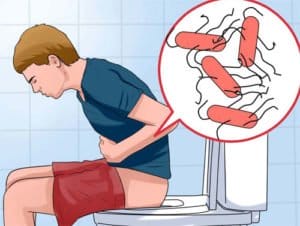 stool more than 10 times a day;
- increased body temperature;
- the appearance of repeated vomiting;
- impurities of pus and blood in the stool;
- severe abdominal pain;
- the appearance of signs of dehydration: dry skin and mucous membranes, intense thirst, reduction or cessation of urination, convulsions;
- a sharp deterioration in the general condition: a drop in blood pressure, severe weakness, increased or decreased heart rate, loss of consciousness.
Categories of patients who require medical assistance, regardless of the severity of the condition:
- pregnant women;
- elderly people;
- patients with chronic diseases of the digestive tract;
- patients with severe pathology of the heart, kidneys and other organs.
The first aid for diarrhea will be provided by a therapist. Further treatment is carried out by a gastroenterologist, infectious disease specialist, surgeon or other specialized specialist.
How to avoid travelers' diarrhea
You can prevent travelers' diarrhea by taking the following measures when traveling to a developing country:
-
After consulting your doctor, start taking antibiotics before departure. This will significantly reduce the risk of developing diarrhea in travelers.
-
![Diarrhea (diarrhea). Symptoms, causes and treatment of diarrhea. Diarrhea - what is it and how can it be treated?]()
-
Avoid tap water, ice cubes and fresh food that may have been washed with tap water.
-
Drink only bottled water while on vacation.
-
There is only thermally cooked food.

Prevention of diarrhea
Despite the many possible causes of diarrhea, there are some things we can do to prevent it:
- you can avoid the development of diarrhea from food poisoning by washing dishes and cooking areas more often
- serve food immediately after cooking
- chill leftover food quickly
- defrost frozen food in the refrigerator
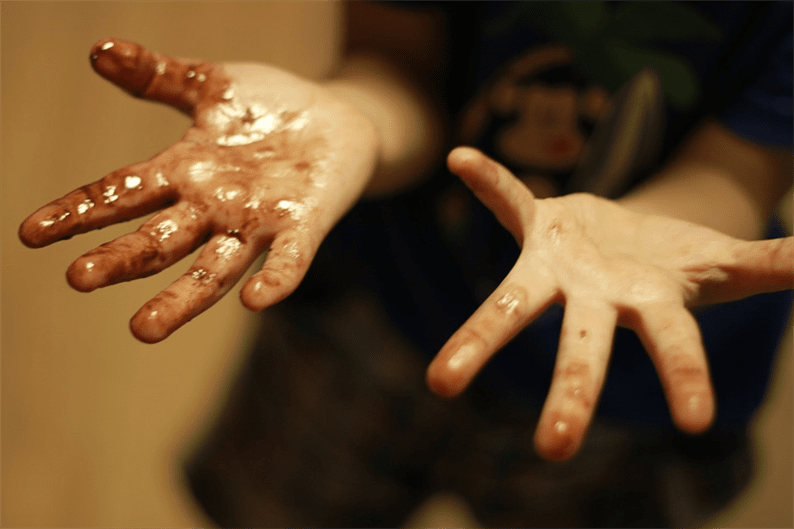
Prevention of the spread of infections
If you have diarrhea caused by a viral or bacterial infection, you can prevent the spread of this infection by washing your hands more often. Hands should be washed with soap and water for 20 seconds. If there is nowhere to wash your hands, use a hand sanitizer.
Proper nutrition for diarrhea
If the patient's condition is relatively mild, you can try to stop the diarrhea yourself.
Avoid foods that can lead to loose stools, as well as fresh juices.
Limit food that stimulates intestinal motility – cabbage in any form, legumes, fresh fruits and vegetables. Do not use fermented milk products!
You can – weak broths with crackers, bananas, jelly, porridge on the water, boiled lean meat.
Diarrhea with additional symptoms
Rarely, when diarrhea in adults against the background of gastrointestinal disorders, other accompanying signs are absent. Often they join when diarrhea is worried about the symptoms:
- nausea, vomiting with the discharge of mushy loose stools, alternating with constipation – signs of infection with intestinal invasions, a consequence of intoxication (poisoning) of the body;
- increased gassing;
- discharge of clay, gray feces;
- cramps, colic in the abdomen – a sign of intestinal infection;
- temperature rise +37.5 g with acute appendicitis;
- headache;
- weakness;
- discharge of greenish-brown feces with mucus, blood, temperature rise above +38 degrees with salmonellosis;
- the appearance of black liquid feces with bleeding – a sign of Crohn's disease, stomach ulcers
- muscle weakness, decreased vision, constipation accompanied by diarrhea, stool passage more than 5 times a day – with ulcerative colitis or ulcerative colitis (ulcerative colitis)
- stools with mucus (blood), passing up to 10 times a day, pain and rumbling in the abdomen, flatulence, red spots on a person, blanching (desiccation) of the dermis, dry and bitter taste in the mouth are signs of Crohn's disease.
Worth knowing! In case of colic in the right quadrant of the abdomen below, the temperature rises above +38 g, the discharge of feces with blood, you need to urgently consult a doctor (gastroenterologist, proctologist). Bleeding with diarrhea may indicate a fistula, abscess, the development of an inflammatory process. These are dangerous symptoms of intestinal disorders that cannot be ignored.
When to take medicines for diarrhea
Indications for taking medication for diarrhea include the following conditions:
Dysentery, foodborne infection, yerseniosis.
Any food or water poisoning.
Viral infection – herpes, rotavirus.
The presence of parasites in the body – worms, protozoa.
Seeding of the digestive canal with Staphylococcus aureus, followed by intoxication of the body.
Dysbacteriosis caused by pathogenic fungi.
Violation of the balance of intestinal microflora.
Chronic alcoholism, drug addiction.
Long-term antibiotic therapy.
Endocrine pathology – diabetes mellitus, Addison's disease, thyrotoxicosis.
Renal failure (acute and chronic).
Irritable Bowel Syndrome.
Ulcerative colitis.
Intestinal polyposis.
Terminal ileitis (Crohn's disease).
Speed.
Condition after gastric resection.
Lactose intolerance.
Malignant tumors of the digestive system.
Prolonged stress.
Climate change.

Causes of prolonged diarrhea
Prolonged diarrhea in rare cases is an independent disease, as it often appears as a symptom of one or another disorder in the body.
Diarrhea is classified into the following types depending on the etiology of origin:
- The dyspeptic type is characterized by indigestion against the background of a deficiency of digestive enzymes.
- The alimentary form develops due to an allergic reaction of the body, abuse of alcoholic beverages, the ingestion of excessively fatty foods and a violation of dietary nutrition.
- The infectious form occurs due to infection with viruses, helminths, bacteria (E. coli, cholera, salmonella, microsporidia, lamblia, dysentery, enterovirus, etc.).
- Medication type. Loose stools develop while taking a certain group of drugs (more often antibiotics).
- Toxic form – poisoning with harmful and poisonous substances. Feature – the body exhibits a protective reaction in the form of diarrhea. The etiology of origin is infectious and non-infectious.

Functional diarrhea
Functional diarrhea is a polysymptomatic bowel disease with no organic cause. It manifests itself constantly or periodically, due to certain factors and prerequisites:
- Stressful state, strong experience. In this case, intestinal motility is enhanced as a defensive reaction.
- Overexcitability of the nerve roots in the intestine.
- Hereditary predisposition.
Fear is at the core of functional diarrhea. This condition leads to the synthesis of chemicals in the body, which speeds up the digestive processes and forces the intestines to reject excess (even water).
Pancreatitis
Pancreatitis refers to pathologies of the stomach, gallbladder, pancreas, in which pancreatic enzymes are secreted in insufficient quantities. This leads to pathological reactions in the intestines. Namely – food is not broken down, nutrients are not absorbed, the mucous membranes in the digestive system become inflamed.
Inflammatory processes contribute to the alternation of diarrhea and constipation in a chronic form. The main method of therapy is considered to be the intake of enzymatic agents and dietary nutrition.
Dysbacteriosis
With dysbiosis, the quantitative composition of the intestinal microflora is disturbed. The main cause of dysbiosis is long-term use of antibacterial drugs that inhibit lactobacilli, bifidobacteria and other beneficial microorganisms. As a result, the number of pathogenic bacteria increases, and immunity decreases.
If we consider the problem from the inside, then the following pathological disorders can be noted:
- complex proteins are not cleaved;
- carbohydrates are not divided into simple molecules;
- there is no synthesis of vitamins, iron, trace elements;
- intestinal peristalsis is not regulated;
- harmful substances accumulate and poison the body.
Features of manifestation:
- persistent diarrhea;
- bloating;
- spontaneous release of gases;
- bowel pain;
- in the feces – impurities of undigested food.
The main method of treatment is taking probiotics.
Ulcerative colitis
With ulcerative colitis, the mucous membranes of the colon become inflamed. There is a frequent exacerbation, manifested by the following symptoms:
- prolonged diarrhea;
- pain in the abdomen;
- weakening of the body;
- blood clots in the stool;
- the presence of mucous and purulent inclusions;
- bleeding;
- adhesion formation;
- perforation.
Ulcerative colitis occurs for a variety of reasons, and is treated with aminosalicylates and symptomatic treatments.
Crohn's disease
With Crohn's disease, the entire gastrointestinal tract becomes inflamed according to the granulomatous type, as a result of which the disease is complicated by ulcers and scars, and a violation of the intestinal structure.
With Crohn's disease, the following symptoms are noted:
- abdominal pain;
- nausea and vomiting;
- lethargy;
- weakness;
- reduced working capacity;
- wateriness of feces;
- the minimum number of daily bowel movements is 10 times.
Infection with worms
With helminthic invasion, infection occurs with such parasites as pinworms, roundworms, enterococci, tapeworms, etc. Worms colonize the intestines, poisoning the body with waste products.
What to look for, besides diarrhea:
- itching in the anus;
- the formation of acne, warts, papillomas;
- a sharp decrease in weight;
- increased appetite;
- asthma attacks;
- intoxication symptoms – nausea and vomiting, headache, insomnia, weakness;
- suppression of mood, irritability;
- heaviness in the abdomen;
- frequent belching;
- flatulence;
- alternation of constipation and diarrhea.
Not only children, but also adults can become infected with worms, since parasitic agents are found in food, water, air, and on household items. Specific treatment is required.
Other reasons
In addition to the main causes of prolonged diarrhea, diarrhea occurs against the background of such pathological disorders and factors:
- enteritis of a polyetiological nature in different parts of the intestine;
- enterocolitis, in which the inflammatory process affects both the large and small intestine;
- lactose intolerance;
- fibrosis of the pancreas, which occurs against the background of impaired growth of connective tissues;
- irritable bowel syndrome caused by non-fixable factors;
- malignant and benign neoplasms;
- hyperthyroidism, in which the thyroid gland produces excessive amounts of hormones;
- a sharp decrease in immunity;
- impaired intestinal integrity against the background of surgical intervention, trauma;
- alcohol and drug abuse;
- food allergies and other allergens.
Instructions: what to do if severe diarrhea begins
If you do not have the above symptoms, then the following instruction is for you.
-
We ease our condition: in the first hours after the onset of malaise, it would be best to completely abandon food, so as not to burden the digestive system and not to give unnecessary work to the intestines. If you still really want to eat, you can afford a piece of dried white bread, a baked apple or a banana.

-
In addition to going to the restroom, you should spend most of your time in bed – resting. Thus, the body will cope with the malaise much faster, and, in addition, with relaxed muscles, the peristalsis will be noticeably weaker.
-
Here's what to do in case of severe diarrhea is imperative – to maintain the water balance in the body.
Dehydration with abundant loose stools is far from uncommon, and the consequences of this condition can be very dangerous, even fatal.
That is why, immediately after the first symptoms appear, drink a glass of clean water without gas, and then drink one glass (approximately 300 ml) after each act of defecation. An alternative to pure mineral water can be compotes, jelly, rosehip and chamomile decoctions, the main thing is not to drink fruit juices, coffee, strong tea, carbonated drinks
![Diarrhea (diarrhea). Symptoms, causes and treatment of diarrhea. Diarrhea - what is it and how can it be treated?]()
-
Here's what to do next if you have diarrhea: restore the water-salt balance… You can prepare the saline solution yourself or buy a ready-made medicine at the pharmacy (for example, Regidron). If you cook on your own: Boil 200 ml of water and dissolve the required amount of salt in it, depending on the age. For children 3-7 years old – 1 teaspoon of salt without a slide, for children from 7-15 years old – 1.5 tsp. without a slide, for adults – 2 tsp. Be sure to cool to room temperature.Take the solution during the day for several sips at intervals of 1-2 hours. Children – 1 glass per day, adolescents – 1.5 glasses, adults – 2 glasses. The dosage for pregnant and lactating women is not adjusted, since the solution does not penetrate the placenta, does not affect the tone of the uterus and does not enter into the composition of milk. What is it for? Together with water and feces, a large amount of useful salts and microelements is washed out of the body, which, in a normal state, should be absorbed in the intestinal lumen. To restore the balance of nutrients, you need to take the already mentioned water-salt solutions, which contain sufficient amounts of useful salts. In addition, these medications also prevent dehydration.
-
A quick first aid for diarrhea can be drugs that inhibit peristalsis: Imodium, Laremide, Loperakap, Loperamide, Superilop. But only if the stool disorder did not arise against the background of an intestinal infection! With such diseases, diarrhea cannot be stopped in this way, so as not to interfere with the natural release of toxins and bacteria. In all other cases, such drugs will be an excellent solution, because in addition to inhibiting peristalsis, they increase the tone of the sphincter, and the patient can restrain the urge to defecate longer.
-
Enterosorbents – another answer to the question of what to do if the liquid stool goes constantly and does not stop: activated carbon, Smecta, Multisorb, Polysorb, Enterosgel. They help to cope with an unpleasant symptom by removing toxins, toxins, gases and harmful substances from the body. In addition, due to their enveloping properties, the mucous membrane becomes less irritated and peristalsis, again, decreases.
How to treat dehydration for acute or chronic diarrhea
As a rule, glucose-salt solutions are prescribed before stool normalization. They replenish the loss of mineral salts and fluid in the body. The most famous drugs in this group are Regidron, Gastrolit, Tsitroglyukolosan. In the absence of them at hand, you can independently prepare and use the following solution: for 1 liter of water, take ½ teaspoon baking soda, salt – 1 teaspoon, potassium chloride – ¼ teaspoon, and add 4 tbsp. l. Sahara. Instead of potassium chloride, you can take a decoction of dried apricots (dried apricots).
Home medication for diarrhea
For diarrhea, certain medications are used. The features of drug therapy depend on the causes of the diarrhea.
For the treatment of diarrhea at home, they resort to enterosorbents, probiotics, antibiotics, drugs to slow down peristalsis, antihelminthic drugs and drugs that restore the water-salt balance.
Enterosorbents absorb substances from the stomach and intestines, removing them with feces. Such drugs are appropriate when diarrhea is caused by intoxication of various origins. Of the enterosorbents for diarrhea, they resort to activated carbon, Enterosgel, Smekta, Polysorb.
Probiotics are attractive for the content of microorganisms that are natural to the intestinal microflora. Such drugs are usually used to treat diarrhea against the background of dysbiosis. More often they prefer the action of Linex, Bifidumbacterin, Hilak Forte, Bifikol.
Antibiotic therapy is appropriate when the diarrhea is caused by a bacterial infection and the pathogen has been identified with tests. Usually they use Levomecitin, Amoxicillin, Metronidazole.
Drugs that slow down peristalsis, normalize the stool. For such purposes, Imodium, Loperamide, Enterobene are used.
Anthelminthic drugs are needed for diarrhea caused by helminthiasis. A suitable medication must be selected after identifying the causative agent of the pathology.
Diarrhea leads to water-electrolyte imbalance, therefore it is necessary to take funds to restore it. An effective drug in this regard is Rehydron.
It is not always possible to do with home measures. It is imperative to consult a doctor if diarrhea lasts more than 3 days, is accompanied by fever, dizziness up to loss of consciousness, signs of dehydration.
Adsorbent agents
Medicines will help stop diarrhea and remove the waste products of microbes in viral infections and food poisoning: Polyphepan, Diosmectit, Coapectat. They bind harmful substances and remove them from the body in a natural way. It is possible to treat diarrhea with adsorbents as an independent therapy or in combination with antiviral drugs – Arbidol, Remantadin.
Anti-inflammatory drugs
If the cause of the intestinal disorder is inflammation of the mucous membrane of the digestive system, diarrhea in an adult will help stop Diclofenac, Indomethacin, Sulfasalosin. These drugs reduce the production of intestinal mucus. They are prescribed from the first day of acute infectious diarrhea. Preparations for relieving inflammation are also used for diarrhea caused by chronic colitis.
Enzymes
Means of this group help to establish digestion. The group of enzymes includes Creon, Mezim, Festal. These tablets are given for diarrhea associated with exacerbation of pancreatitis, gastritis with low acidity, and intestinal malabsorption.
Herbal decoctions
Intestinal motility is reduced by natural remedies with a strengthening effect. An infusion of Potentilla root, oak bark, alder cones, chamomile will help get rid of diarrhea. The brewed herbs and plants are drunk until symptoms stop.
Means for reducing intestinal motility
You can get rid of diarrhea with drugs based on bismuth subsalicylate diet, diphenoxylate, loperamide. These medicines are not recommended for viral infections, since some of the microbes will remain in the intestines and recovery will be delayed.
The most popular in the fight against diarrhea as a symptom are drugs based on loperamide: Imodium, Lopedium, Loperakap. These drugs reduce the frequency of bowel movements, increase the tone of the anus. They help to quickly restore intestinal motility and get rid of diarrhea with irritable bowel syndrome, Crohn's disease.
Loperamide should not be used if there is blood in the stool.
Antibiotics
The funds are used for the complex treatment of diarrhea with a bacterial infection.
Intestinal antiseptics
Severe diarrhea caused by the activity of pathogenic microorganisms is stopped with antimicrobial drugs. The group of antiseptics includes Enterofuril, Intetrix. These drugs fight staphylococcus, salmonella, E. coli, shigella, fungi.
Probiotics
The treatment regimen for any type of diarrhea includes combined drugs with a wide spectrum of action. Probiotics help stop diarrhea by suppressing the activity of the infectious agent. With severe diarrhea, the balance of the intestinal microflora is disturbed. The following drugs help to normalize the growth of beneficial bacteria: Hilak forte, Linex, Acipol. These drugs are prescribed to stop diarrhea after taking antibiotics. For the treatment of dysbiosis, Bifikol, Enterol, Laminolact are also used.
Traditional methods of treating diarrhea
Alternative medicine can help treat diarrhea. The following recipes are effective for diarrhea:
- Rice broth. For 40 minutes, 1.5 tbsp is boiled in half a liter of water. l. grains, cool the resulting product to room temperature and filter. It is necessary to take 150 ml of broth every 3 hours.
- Blueberry jelly. To prepare it, you need 300 ml of water, 1 tbsp. l. dried berries, 1 tsp. starch and sugar to taste. You can drink the drink in any quantity.
- For the treatment of diarrhea in children, bird cherry tea made from dried berries is used. 5 tsp raw materials must be poured with half a liter of cold water and cooked for 10 minutes after boiling. Strained tea is drunk in a mug three times a day.
- You can make a decoction from blueberries. A glass of water is needed for 40 g of dried raw materials. The product is boiled for 20 minutes over low heat and filtered off after cooling. You need to drink it for half a glass 3 times a day.
- Bird cherry broth. It is prepared from the bark of a plant. 1 tbsp. l. raw materials are steamed with a glass of boiling water and kept for 20 minutes in a water bath. After cooling, the broth is filtered and taken half a glass three times a day.
- Pomegranate broth. It is made from the dried peels of this berry, ground into powder. 1 tsp such raw materials are poured with a glass of boiling water and placed in a water bath for 15 minutes. Infused and filtered broth take 1 tsp. 4 times a day.
- Oak bark helps with diarrhea. To prepare the infusion, you need to take 1 tsp for half a liter of cold water. raw materials and stand this mixture for 8 hours. This amount should be drunk during the day.
- Another oak bark recipe is a decoction. To prepare it, you need a glass of boiling water and 2 times less raw materials. The product must be kept on low heat for half an hour, then cooled and filtered. Take 3 times a day for 2 tbsp. l.
- You can cope with diarrhea with black peppercorns. You need to swallow 10 whole peas with a glass of water. It is better to resort to this method at night.
- Relieves diarrhea and strong black tea. For brewing, you need to take several times more raw materials than usual. The packaged product is not suitable for these purposes.
- Blue iodine is no less effective. To prepare it, you need to dilute 1 tsp in a quarter of a glass of warm water. starch and sugar, add a few crystals of citric acid and add three quarters of a cup of boiling water. Pour iodine solution (5%) into the cooled mixture. The remedy is taken in 1 tbsp. l. in several steps. You can take 0.5 liters of the composition per day.
- Burnet root is a good remedy for diarrhea. At 1 st. l. raw materials take a glass of boiling water and boil this mixture for 40 minutes over low heat. At one time, 1 tbsp is required. l. means to which add 50 ml of water. This medicine is taken 5 times a day. This should be done half an hour before a meal or 2 hours after it.
Boiled carrots
Carrots are useful for normalizing digestion if the disorder is caused by an exacerbation of chronic gastritis, pancreatitis, or mild food poisoning. Boiled carrots contain a high concentration of fiber, vitamins and biologically active substances.

To eliminate diarrhea, you need to boil one medium-sized root vegetable in 100 ml of salted water. Cooking should take no more than 3-5 minutes. After that, you need to drain the broth, strain it, take it warm for 2-3 days. Treatment for diarrhea should be continued even after the diarrhea has stopped.
The root vegetable itself can be chopped in a blender to a puree state. It should be consumed daily until final recovery. Such nutrition will speed up the process of restoring the work of the digestive tract.
Rice and rice water
Folk remedies for the treatment of diarrhea with a complex effect. This cereal is considered a natural sorbent: it absorbs bacteria and the toxins they produce like a sponge. Also, rice has anchoring and enveloping properties. It soothes irritated areas of the intestinal mucosa, which speeds up the normalization of digestion.
For diarrhea, it is good to eat lean rice porridge cooked in water without oil and sugar. Round grain rice is more effective – its enveloping properties are stronger than that of other varieties.
Rice water works in a similar way. It is necessary to boil the cereal until half cooked, drain the liquid and strain it. The resulting drink must be taken every 2-4 hours, 100 ml.
Lemon
With diarrhea, it is used in the complex therapy of treatment. Lemon has antiemetic, tonic and rehydration properties. It helps treat dehydration, one of the most dangerous effects of diarrhea.
Lemon for diarrhea and vomiting is used in several ways:

- add a slice to a cup of green or black tea;
- prepared from juice and warm water (fresh from one fruit per liter of boiled water);
- inhale essential oil to eliminate vomiting;
- add 1-2 drops of juice to cleansing enemas.
- This fruit contains high doses of Vitamin C, which strengthens the immune system and speeds up recovery.
Черёмуха
The benefits of this plant for diarrhea are due to its astringent, antibacterial and antispasmodic properties. Bird cherry provokes stool fixation, eliminates the cause of its disorder, reduces the intensity of abdominal pain.
To eliminate diarrhea, you can use the berries, bark and inflorescences of the plant.
To prepare a healing broth, you will need a tablespoon of bird cherry. It needs to be poured with a glass of boiling water, boiled for 20 minutes in a water bath. After cooling to room temperature, drink half a glass 2-3 times a day. It is also helpful to include cherry berries in your daily diet.
Strong tea
A safe and effective way to relieve stool disorder. Strong tea has astringent properties due to its high concentration of tannins and tannins. It is not recommended for hypertension or any other cardiovascular disease.
Prepare your favorite tea at about twice the concentration of your usual recipe and drink. You can just chew dry tea leaves (half a teaspoon), wash down with 100 ml of warm water.
Black pepper
The popular spice contains a high concentration of antiseptic, antimicrobial and analgesic components. It helps with diarrhea caused by the activity of pathogenic microorganisms. The traditional method of treatment will be effective for mild dysentery, salmonellosis and other intestinal infections. An important advantage of the method is that it allows you to cure diarrhea quickly and cheaply.
It is enough for an adult to swallow 10-15 peas and drink them with water. You do not need to chew the pepper. Reception can be repeated after 5-6 hours.
Prophylaxis
The best prevention of diarrhea is maintaining personal hygiene, eating only high-quality foods and timely treatment of various chronic bowel diseases.
Sources used and useful links on the topic: https://medside.ru/diareya https://mojkishechnik.ru/content/prichiny-i-lechenie-ponosa-diarei-u-vzroslyh https://nebolitzhivot.ru/lekarstva- ponose.html https://ProKishechnik.info/zabolevaniya/diareya.html https://tvojajbolit.ru/gastroenterologiya/ponos-u-vzroslyih-prichinyi-i-lechenie-v-domashnih-usloviyah/ https: // proktoinfo. ru / diareya / kak-bystro-izbavitsya-ot-ponosa-v-domashnikh-usloviyakh https://duhitelo.ru/diareya-eto-chto-takoe/ https://nebolitzhivot.ru/ponos-vzroslyh.html https: //odiaree.ru/o-diaree/prodolzhitelnyj-ponos-u-vzroslogo.html https://ponoszapor.ru/chto-delat-pri-ponose/ https://odiaree.ru/domashnee-lechenie/kak-izbavitsya-ot-ponosa-v-domashnix-usloviyax.html https://gastrot.ru/diareya/chto-takoe-ponos https://otravamnet.ru/ diareya-rvota / lechenie-diarei.html
Post source: lastici.ru