
Beauty myths about pregnancy: 5 most controversial topics
Content
Pregnancy is a very important and exciting period in the life of every woman, which is often overshadowed by various myths and all kinds of “no" (especially for the first time). And as the belly grows, the list of prohibitions only grows.
Read ten different mom-to-be websites and you'll find ten different opinions about what's safe and what's not during pregnancy. Manicure, coloring, perfumery, cosmetics, beauty treatments – these are just a few of the things that are (supposedly) harmful for mom and unborn baby, and should be excluded from a woman's beauty routine. The editors of inform.com.de decided to debunk the popular horror stories about beauty and care.
All these misconceptions mainly arise because cosmetics manufacturers often play it safe when they include pregnancy and lactation in the list of contraindications, because studies on the effect of drugs on pregnant and lactating women have not been conducted, which means that there is no reliable data. But it cannot be denied that during pregnancy, women increase their sensitivity and susceptibility to external influences, so many procedures are painful. However, most of them are not a direct threat to the health and development of the child.
Many contradictions exist in our progressive world today, so we decided to debunk the most common beauty myths about pregnancy. Here are five of them.
Note from the editor: the material refers to a pregnancy that proceeds without complications. If your doctor gives other recommendations, you should listen to them.
Myth 1: regrown roots? Be patient!
Perhaps the most popular pregnancy myth that has haunted us since the cradle. A common belief that you can't dye your hair in an “interesting position” is due to the fact that toxic substances that enter a woman’s body from dyes can provoke various diseases and harm the fetus. However, there are no studies to support this theory.
Many doctors note that when staining, a minimum of chemicals penetrate into the scalp, which are safe in such quantities for both mother and child. Therefore, it is not forbidden to cut, dye and lighten hair according to the usual schedule and by conventional means (but no more than three procedures for the entire period).
However, if you still want to eliminate any risks, choose harmless tint shampoos or natural ammonia-free paint, and do not get carried away with coloring in the early stages, when the main organs of the baby are formed, and you suffer from toxicosis (the pungent smell of paint can provoke nausea ). You can also choose coloring methods in which the paint does not come into contact with the scalp (for example, ombre).
Myth 2: You should avoid perfume
Another common item on the “no” list is perfume, deodorants and any aromatic cosmetics. The reason is that many of these products contain phthalates, which have been linked to preterm birth. But do not rush to panic: this risk is exaggerated. In fact, phthalates are all around us all the time, even in food. It's another matter if you really can't stand the smell of perfume during pregnancy, especially in the first trimester.
What to do if you do not want to tease your stomach once again, but also do not want to smell bad? In such cases, instead of the usual concentrated spray, you can choose a light scented mist or body lotion. Natural perfumes based on natural oils (rose, jasmine, almond, myrtle, etc.) are also another alternative for pregnant women.
Myth 3: manicure and pedicure are prohibited
The same goes for nail polishes and coating removers. Formaldehydes, toluenes and phthalates in their composition are dangerous only in very large doses. Means applied to the skin rarely penetrate deeply, which means they will not enter the bloodstream and will not pass through the placenta. In addition, most modern brands create special cosmetics for pregnant women that do not contain harmful chemicals. Manicure products are also included in their number. If you're not sure, just check the label for the chemicals listed above. Then you can safely take care of your nails during pregnancy without worrying about the consequences.
Myth 4: Cocoa butter will save you from stretch marks
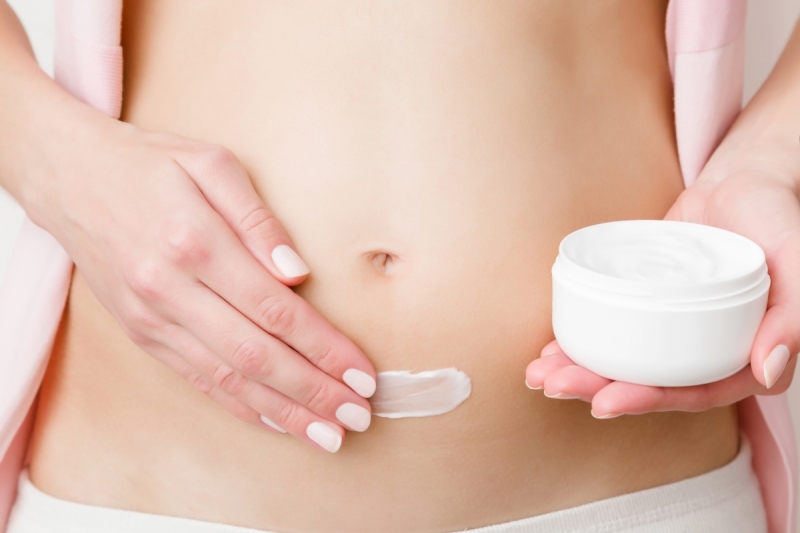
Spoiler: it won't. Cocoa butter, shea butter, vitamin E – all these ingredients are actively used by marketers to advertise miracle moisturizers that promise expectant mothers to prevent skin stretching during pregnancy. But the truth is, no product guarantees that won't happen.
Yes, most likely they will give you soft and hydrated skin, but no amount of lotions, creams or oils can eliminate and prevent stretch marks, if they are destined to appear. So you can not spend money on special products and get by with your favorite moisturizer. In addition, cocoa butter can cause irritation in people with sensitive skin prone to allergic reactions.
Myth 5: cosmetics and beauty procedures are taboo
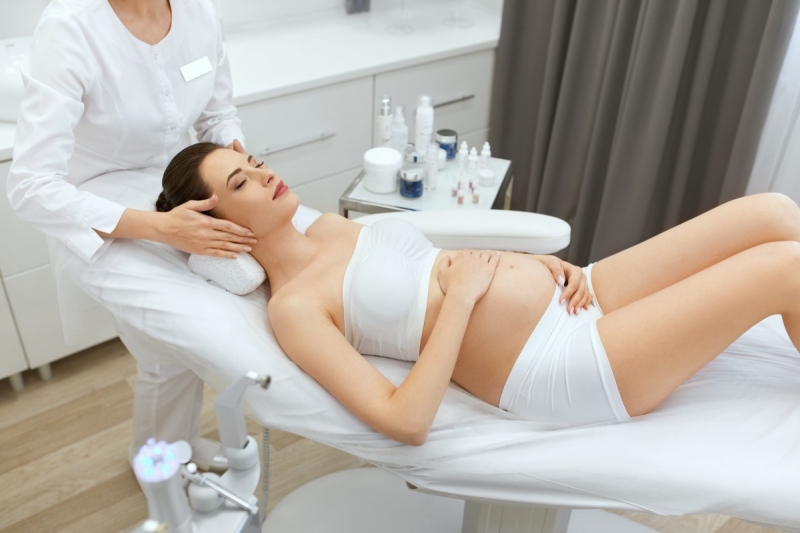
A lesser-known evil may be lurking in your makeup bag, too. A lot of makeup and care products really often have harmful substances in their composition, so the same rule applies here as above ─ we read the packaging more carefully and choose safe formulas. If you are in doubt about some of the ingredients, please consult your doctor or cosmetologist.
As for active cosmetics, you can safely use sunscreen, cleansers and moisturizers for the skin, as well as self- tanning. But there is one “but”: products containing salicylic acid are allowed only if its concentration is less than two percent. And when choosing bath products, make sure they are free of parabens, phthalates, and sulfates that can irritate your skin.
Non-invasive treatments like masks, superficial peels with fruit acids, or waxing during pregnancy will do no harm, while massage, on the contrary, can seriously help those who suffer from puffiness. The tactic for other interventions is as follows: if the procedure is not critical, it is better to postpone it until the period after childbirth. This applies to beauty injections and laser procedures.
What not to do during pregnancy
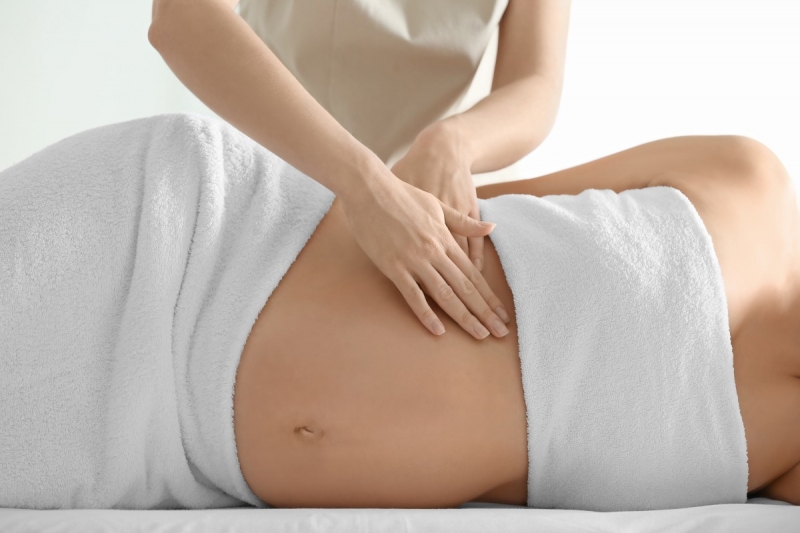
The list of "categorically contraindicated" includes the following procedures:
- peelings (ultrasonic, medium and retinol);
- botox;
- biorevitalization ;
- contour plastic ;
- laser and photoepilation;
- solarium ;
- active and hardware massage;
- hot wraps;
- tattoo ;
- RF lifting ;
- acrylic nail extension (toxic material).
Cosmetics and procedures with retinol should also be avoided.
Conclusion
It is definitely important to take care of yourself and your baby during pregnancy, but the body of a pregnant woman is not as vulnerable as we think. Of course, it is always worth studying the information and playing it safe, because the “position” obliges. This will help you understand the potential risks and make up your own mind about what is dangerous during pregnancy and what is not.
It is also worth considering the individual factor, because what is safe for one woman can cause allergies in another. Only you decide whether it is possible to use cosmetics during pregnancy, do beauty procedures, whether to believe the myths or their revelations.
Most cosmetic taboos are based on potential rather than proven risk. However, remember that before undergoing any beauty procedure, be sure to warn the cosmetologist about pregnancy, even in the early stages and during the feeding period. Be beautiful and healthy all nine months until the birth!
Post source: salon.kr.ua